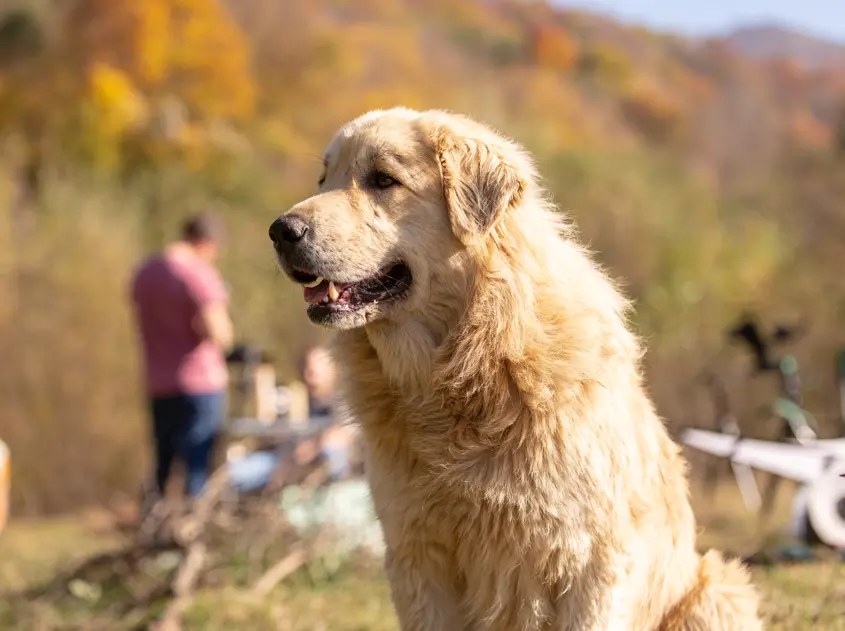

Your dog’s lethargy isn’t just old age. It’s worth stating clearly, because it’s the assumption that causes more procrastination in care than anything else.
Senior dog care tips are only useful if you understand what you’re actually dealing with. Some changes are inevitable. There are other treatable conditions that just sit there while everyone else shrugs them off as “just old age.”
Here are the things that actually do change and what to do about each of them.
When Is a Dog Considered Senior?
Large and giant breeds (over 50 pounds) become seniors at about 6 to 7 years. Medium breeds at about 8 years. Small breeds live for about 10 years. A 7-year-old Great Dane is a senior dog.
The practical reason this is important: Vet checkups, diet changes, and exercise adjustments
The Difference Between Senior and Geriatric
A senior dog is ageing and needs adjustments. A geriatric dog is usually in the last quarter of its expected life span, more frail, more prone to rapid changes in health, and more likely to have multiple illnesses at once.
A 9-year-old Labrador is a senior. A 13-year-old Labrador is geriatric. The level of monitoring, the frequency of blood tests, and the speed of response to symptoms all should reflect this difference.
Vet Visits
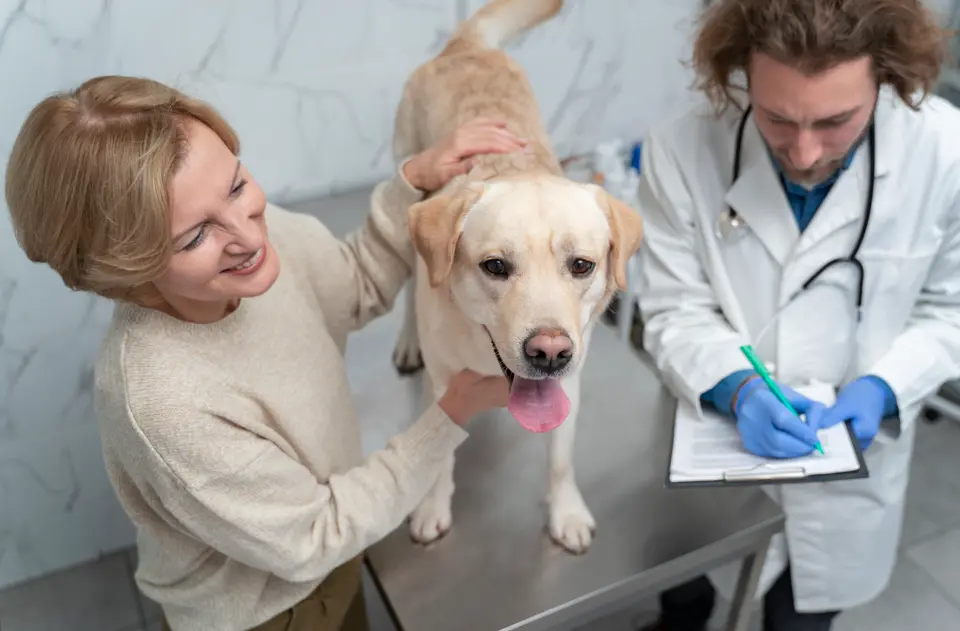
A once-a-year checkup for senior dogs leaves a lot to be desired. Health at this stage can change significantly in six months.
Twice-yearly visits should include a physical exam, blood tests, urinalysis, and blood pressure measurements. This basic information can catch kidney disease, thyroid imbalances, liver changes, and diabetes early. Treating these conditions early is much more effective than treating them when symptoms become apparent.
According to the AVMA, health problems develop more quickly in senior pets than in younger animals, and the time between “fine” and “severe” is shorter. That’s the medical reason behind the twice-a-year recommendation, not just a precaution.
Commonly recommended blood tests for senior dogs include a complete blood count (CBC), a biochemistry profile, a thyroid function test, a urinalysis, and a blood pressure measurement.
The Most Useful Senior Dog Care Tips for Joint Health
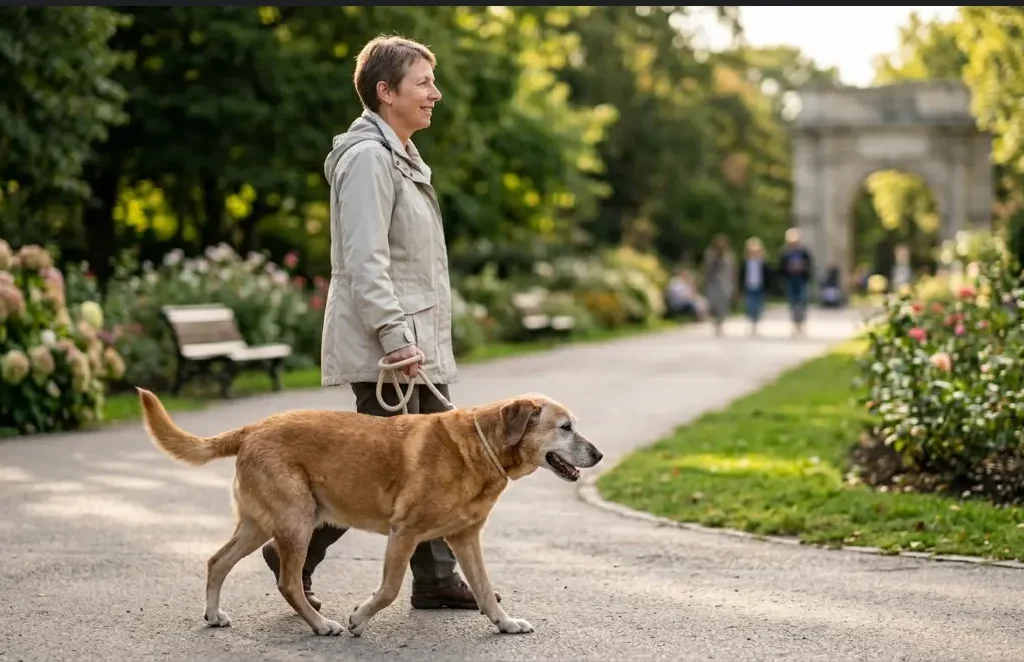
About 20 to 25 per cent of dogs will be diagnosed with arthritis at some point in their lives. Studies suggest that a significant percentage of senior dogs show radiographic signs of arthritis, even if clinical symptoms are mild.
Key differences: Slowness, hesitation before going up stairs, and stiffness after rest; these aren’t just old age. They’re symptoms of a painful condition that often goes undiagnosed and untreated.
If your dog is hesitant to jump into the car when he used to jump without thinking. It’s arthritis until another cause is proven.
What helps:
Take a walk before the stiffness fully sets in. A morning walk when the joints are warm, rather than waiting until the dog is clearly in pain, maintains muscle strength and blood circulation better than intermittent activity.
Orthopaedic beds reduce pressure on joints overnight. This is important because dogs with arthritis spend most of their day lying down. A typical flat bed does not provide adequate support for the joints.
Non-slip rugs on hard floors. Hardwood floors and tiles cause dogs with arthritis to slip and compensate by tensing their muscles, which increases pain.
Ramps instead of stairs for accessing furniture or vehicles. This significantly reduces the amount of stress on the joints from jumping.
There is evidence to support the use of glucosamine and chondroitin supplements to help restore joint health. Omega-3 fatty acids (especially EPA and DHA) reduce inflammation. Consult your vet about dosage before starting.
A veterinarian prescribed NSAIDs, which provide meaningful pain relief for dogs with moderate to severe arthritis. Do not give human ibuprofen or acetaminophen. Both are toxic to dogs.
How Dogs Hide Pain
Dogs have evolved to hide pain and weakness. By the time a dog is clearly limping or whining the pain has usually been there for quite some time.
Early signs that most owners ignore:
- They stop engaging in play that they used to enjoy.
- They become slow to greet you at the door.
- They hesitate at the threshold.
- They shift their weight when standing.
- They repeatedly lick or bite a particular joint.
- They become more irritable when touched around the hindquarters or spine.
Pain changes behaviour in ways that surprise owners. A dog that becomes protective around food or resources in old age may be reacting to pain rather than developing true food aggression. Pain lowers the threshold of tolerance.
If there is a change in behaviour for no apparent reason, consider it a symptom first.
Diet for Senior Dogs
Senior dogs generally need fewer calories because they are less active. Feeding the same amount of the same food as they did in their active adult years causes weight gain, which accelerates joint degeneration and increases cardiovascular stress.
Switch to a formula specifically for senior dogs or talk to your vet about adjustments. Look for foods that contain omega-3 fatty acids, antioxidants, and glucosamine. AAFCO-approved senior dog formulas confirm that the food meets nutritional standards for this age stage.
High-quality protein remains important. An old misconception was that protein should be reduced for older dogs. Current research suggests that maintaining adequate amounts of quality protein actually helps preserve muscle mass, which is essential for joint health. If kidney disease requires a specific protein restriction for your dog, your vet can advise.
There are several causes of loss of appetite in senior dogs that need to be evaluated separately: toothache, nausea from organ changes, a weakened sense of smell (which makes food less appealing), or side effects of medications. Don’t just dismiss it as old age without ruling them out.
If your dog eats dry food and is losing its appetite, warming the food slightly or adding low-sodium broth can enhance its flavour and often help.
Dental Care
Dental disease is almost universal in senior dogs if care has not been consistent.
Infected gums and cavities in the roots of teeth are painful. They also introduce bacteria into the bloodstream, which, over time, can affect the kidneys, liver, and heart. This is not theoretical. It is well documented in veterinary medicine.
If your dog tolerates it, brush their teeth with a vet-approved toothpaste. Dental chews reduce tartar. Professional cleaning under anaesthesia is still appropriate for senior dogs when their overall health allows it. Your vet will assess whether the benefits of anaesthesia outweigh the risks for your specific dog.
Canine Cognitive Dysfunction
Canine cognitive dysfunction (CCD) is dementia in dogs. Studies suggest signs of cognitive decline occur in. Research suggests that signs of cognitive decline become increasingly common in very old dogs, particularly beyond 14–15 years.
Signs to watch for: confusion in familiar places, staring at walls, getting stuck behind furniture, changes in sleep patterns (sleeping during the day and restless at night), forgetfulness about cleaning the house, decreased interaction with family, and, in some cases, this anxiety can look similar to separation-related distress.
Restlessness and increased vocalisation at night in older dogs, including excessive barking, may be early signs of CCD. If a dog that used to sleep through the night starts pacing and barking aimlessly, cognitive decline is one reason to discuss it with your vet.
Treatment options include environmental enrichment, nutritional supplements (medium-chain triglycerides have shown some benefit for brain energy), melatonin for sleep disorders, and prescription medications. A vet’s evaluation will determine which method is appropriate.
Staying socially engaged, continuing light training, and maintaining a routine all have been shown to help slow cognitive decline in documented studies.
Home Adjustments
Non-slip rugs on hard floors throughout the house, not just in one room. Senior dogs wander around at night and need a grip everywhere.
Place water bowls in several locations. Dogs with arthritis may avoid going to their usual spot if it’s too much effort.
Elevated food and water bowls reduce neck strain for dogs with neck arthritis.
Keep the home’s layout consistent. Dogs with vision or cognitive changes rely on spatial memory. Rearranging furniture can actually confuse them.
A warm sleeping environment. Senior dogs lose their ability to regulate their body temperature. Cold floors and air can cause more discomfort than most owners realise.
Conclusion
The most useful senior dog care tips are those that change the way you interpret your dog’s behaviour. A dog that slows down, changes habits, or acts differently is telling you something. The first assumption should be that something treatable is going on, not just old age.
Most of what makes the senior years more difficult than they need to be stems from late detection. Twice yearly vet visits, paying attention to behavioural changes, and adapting the home and routine to the dog’s current abilities. These three things will solve most of the problems.
Senior years with a well-managed dog are often actually good. That outcome is largely within your control.
Frequently Asked Questions (FAQ)
What is the 7-7-7 rule for dogs?
The 7-7-7 rule is a guideline for socialising puppies, a key period in their development. It is not a rule for senior dogs. It is commonly associated with senior dogs, with the old “multiply by seven” formula that converts a dog’s age into human years. That formula is incorrect. Dogs age at different rates depending on size and breed, and the first two years of a dog’s life represent a much greater amount of ageing than the years that follow.
What is the 3-3-3 rule with dogs?
The 3-3-3 rule describes the stages of adjustment for a newly adopted dog: overwhelmed for the first three days, showing true personality at three weeks, and truly settled at three months. For senior dogs, this period is often significantly longer. Older dogs, especially rescues, may take six months or more to reach a comfortable resting position in a new home. They adjust more slowly and require more patience and consistency than younger dogs.
How do dogs lie when in pain?
A dog in pain may lie with its legs tucked tightly under its body to reduce pressure on its joints. They may lie upright on their side with unusual stiffness rather than being comfortable. They may change positions repeatedly without freezing. They may sleep with their head resting on a surface, rather than being completely comfortable. They may be reluctant to lie down in the first place, preferring to stand. Some dogs may also lick a painful joint repeatedly. These positions usually develop subtly and gradually, which is why they are often overlooked.
What not to do with ageing dogs?
Don’t assume that behavioural changes are just personality. Any behaviour change is a possible sign. So don’t skip vet visits because your dog “seems fine.” Don’t maintain the calorie intake of their active years without adjustment. Don’t give human pain medications. Don’t force exercise if your dog is showing fatigue or hesitancy. Don’t change the household layout frequently if your dog has vision or cognitive changes. And don’t wait for obvious signs of pain. Dogs hide pain, and waiting for obvious signs means the problem has been there for much longer than it appears.
