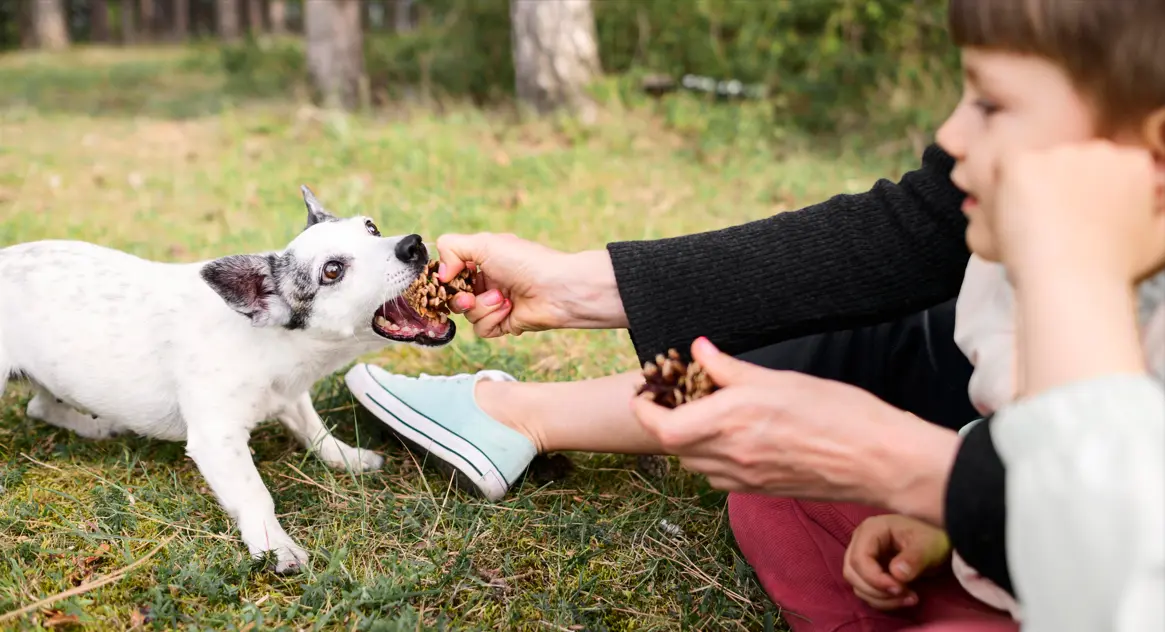
Training treats aren’t just snacks they’re your dog’s “pay.” And just as you wouldn’t work overtime for a chip, your dog wouldn’t ignore a squirrel for a tasteless biscuit especially outside. The right treat helps you communicate clearly, increase attention, and make faster progress with positive training. The wrong treat turns every session into “my dog is not active.” (Disclaimer: Your dog is often active… just not with this treat.)
The humane world for animal recommends food rewards as a useful way to reinforce desired behavior especially when you tailor the reward to the dog and the situation.
Why Training Treats Matter (They’re Timing + Motivation)
Two things are essential for a good training session:
Clear timing: Your dog needs to associate the reward with the exact behavior
Strong motivation: Your dog needs to care enough to repeat the behavior
Treats help with both. You can reward quickly, frequently, and consistently so your dog understands “what wins.” Humane, reward-based training promotes better well being than punishment based methods.
What Makes a Great Training Treat? (The 6-Point Checklist)
Most reputable guides agree on these “treat performance” factors. Here’s the clean version you can actually use.
1) Small size
Training can include dozens of treats in a session. Small treats allow you to reward your dog repeatedly without overstuffing them. If you’ve purchased large treats, cut them into smaller pieces.
2) Easy to eat
Crunchy biscuits slow down training. The dog stops and chews, the pieces fall off, and then he sniffs the floor like there’s treasure buried there. Soft treats (or quick dissolving freeze-dried treats) keep the momentum going.
3) Smell matters
Dogs rely heavily on smell. Strongly scented treats hold attention longer outdoors or in busy environments. This is why liver and fish often work better than soft treats.
4) Low mess
If the treat is slippery, falling apart, or making soup in your pocket… you’ll give up training quickly. Choose treats that you can handle quickly, especially on walks.
5) Simple ingredients
The ingredient list doesn’t require a chemistry lab. For many dogs, limited-ingredient treats reduce the risk of stomach upset during high-reward sessions.
6) Reasonable calories
A treat can be “high value” without being a calorie bomb. Veterinary nutrition guidelines often recommend keeping treats to 10% or less of daily calories to keep the main diet balanced.
Low vs Medium vs High Value (Use a Pay Scale)
One mistake many owners make: they use one treat for everything. Better plan: build a reward hierarchy.
Low-value treats (everyday practice)
Use these for easy skills in a calm environment:
- Your dog’s kibble
- Simple store-bought training bites
- Small crunchy treats (if your dog stays focused)
Medium-value treats (moderate distractions)
Use these on walks in quiet areas or for slightly harder skills:
- Soft training treats with short ingredient lists
- Dehydrated meat pieces
- Freeze-dried treats broken into tiny bits
High-value treats (hard mode)
Save these for:
- Recall (“come!”) when something exciting happens during leash walks
- Leash reactivity work
- Vet or grooming practice
- New environments
Examples: cooked chicken or turkey (plain), tiny cheese bits (if your dog tolerates dairy), freeze-dried liver or fish.
Best Types of Dog Training Treats (Pros + When to Use Them)
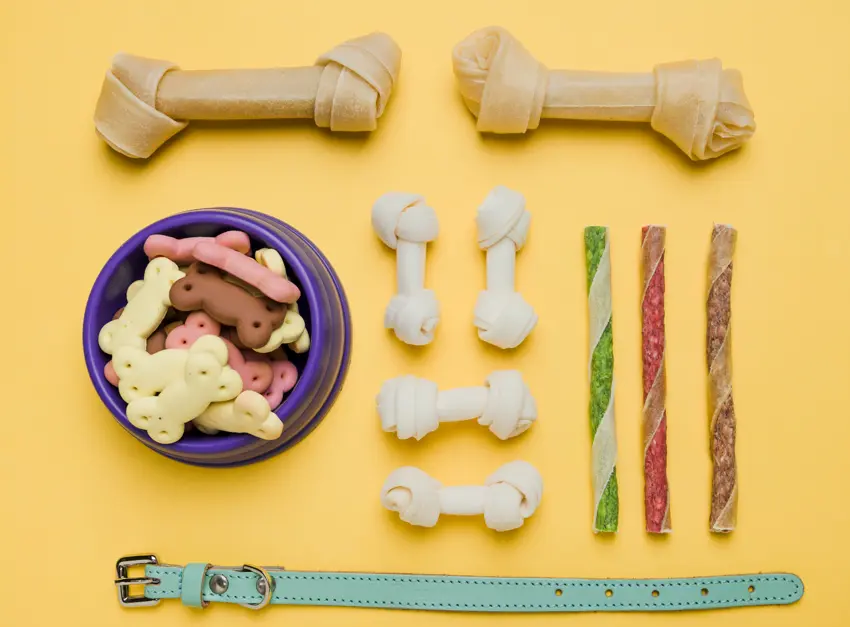
1) Kibble (yes, it counts)
Kibble works great for indoor practice, puppies learning basics, and high frequency rewards without adding extra calories.
Tip: Make a “trail mix” by mixing kibble with a few high value treats. The smell transfers, and the whole handful becomes more exciting.
2) Store bought training treats (small + soft)
Look for: small pieces, minimal crumbs, no strong artificial sweetness, and an ingredient list you actually recognize. These are convenient for daily training, especially if you train on walks.
3) Freeze dried single ingredient treats
Popular for training because they smell strong, break into tiny pieces, store well, and work well outdoors. Examples: freeze dried liver, salmon, chicken, beef.
4) Dehydrated/air dried meat treats
These work beautifully if you can break them into small pieces. They usually smell great and feel “real” to dogs.
5) “Human food” treats (safe, simple options)
Many dogs love real food. Use it strategically for difficult moments. Good options:
- Plain cooked chicken or turkey
- Small cheese pieces (not for every dog)
- Small pieces of cooked beef
Avoid seasoning, onion, garlic, and fatty scraps.
6) Squeeze treats (great for fast delivery)
Some dogs work well for lickable treats especially tiny dogs, seniors, or during muzzle training. They also let you deliver rewards without crumbs.
How to Use Training Treats Effectively (So They Teach, Not Bribe)
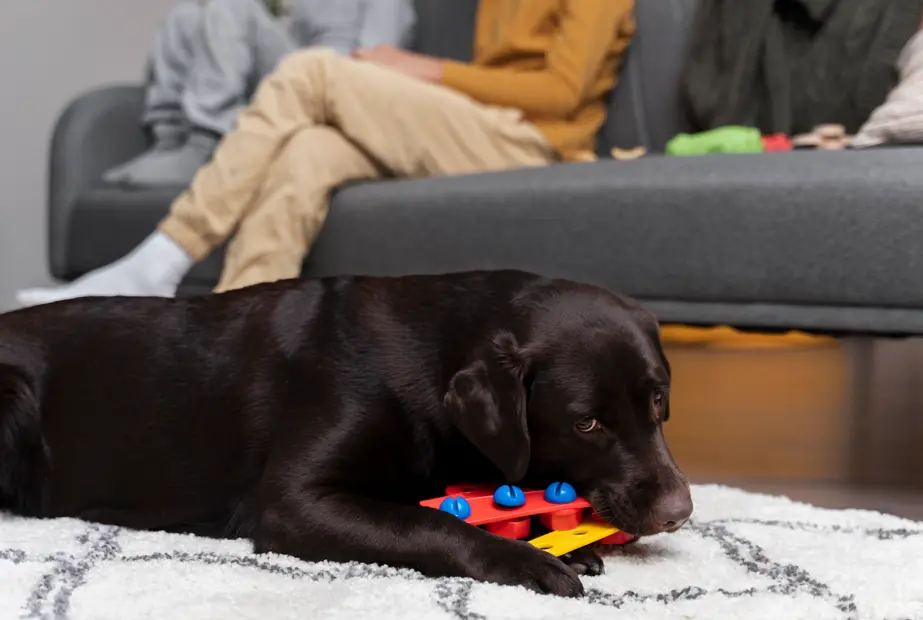
Reward fast
Deliver the treat within a second or two of the behavior.
Mark the behavior
Use a clicker or a simple word like “Yes!” right when your dog does the correct action then treat.
Reward often at first
In early learning, pay frequently. Once the behavior looks solid, switch to intermittent reinforcement (reward some reps, not all).
Match treat value to difficulty
If the environment gets harder, raise the treat value. Don’t ask for harder work with cheaper pay.
Keep sessions short
Many dogs learn best in short bursts (a few minutes), repeated daily.
How Many Training Treats Can You Give Per Day?
The practical rule many vets and veterinary nutrition resources share: keep treats around 10% or less of daily calories, and let the main food provide balanced nutrition.
Easy ways to train without overfeeding
- Break treats into micro-pieces
- Reduce dinner portion on heavy training days
- Use part of your dog’s daily kibble as rewards
- Choose lower-calorie options for high-volume sessions
Puppies, Seniors, Allergies: Treat Choices That Make Life Easier
Best treats for puppies
- Very small, soft pieces
- Gentle on teeth and stomach
- Easy to swallow quickly
If you use “human food,” keep it plain and tiny.
Best treats for senior dogs
- Softer texture (easier on teeth)
- Strong smell (helps engagement)
- Small pieces (avoid choking risk)
Best treats for dogs with allergies or sensitive stomachs
- Limited ingredient treats
- Single protein options your dog tolerates
- Test new treats at home before using them in a big session. If your dog guards food, introduce new treats carefully and avoid triggering resource guarding patterns.
If your dog has a medical diet or GI issues, ask your vet before introducing new proteins or high-fat treats.
What to Avoid (Safety First, Always)
Avoid toxic ingredients
- Xylitol (a sweetener found in some peanut butters and sugar-free products)
- Chocolate, grapes, raisins, onion, garlic, and anything heavily seasoned
Avoid “crumb explosions”
If a treat crumbles everywhere, your dog will start vacuuming the floor mid-session. That kills focus.
Avoid huge treats during rapid training
Big treats create “chew time,” slow your reward rate, and can cause overfeeding.
A Simple Shopping List (If You Want to Start Today)
Pick 3 items:
- Kibble (low value, high volume)
- Soft training treats (everyday practice)
- Freeze dried liver or fish (high-distraction moments)
That gives you a complete reward hierarchy without overcomplicating it.
Frequently Asked Questions (FAQ)
What if my dog “isn’t food motivated”?
Try different textures and smells, and test treats when your dog isn’t already full. Many dogs ignore bland treats, not all treats.
Can I use regular dog food as training treats?
Yes , especially indoors and for easy cues. Save high value treats for recall, new skills, and distractions.
Are homemade treats better?
They can be, if you keep ingredients simple, pieces tiny, and storage safe. Plain cooked meat often works better than complicated recipes.
