Caring for a kitten seems straightforward until the baby is in your house at 11 p.m., not eating, hiding under the bed, and you have no idea if it’s normal or a problem.
Usually, it’s normal. But there are a few things first-time cat owners wish someone had told them before day one.
Before Your Kitten Comes Home
Pick a room to start. Not the whole house. A room with a litter box, bed, food and water bowls, and a scratching post. Kittens are nervous in large spaces. A small, clear space helps them settle in quickly and also makes litter training much easier.
Kitten proof that room first, then the rest of the house as they gain access. The things that lead kittens to the vet in an emergency are predictable: electrical cords, poisonous plants, small objects that look like toys, and spaces behind appliances. The ASPCA maintains a comprehensive list of poisonous plants because the list is longer than most people expect. Lilies are the most dangerous. Any lily, any part of the plant, even drinking water from a vase can cause kidney failure in cats.
Bring the essentials in advance: kitten specific food, a shallow litter box with unscented litter, a bed, a carrier, and some toys. If you can bring something that smells like their old home do it. A blanket from the breeder or shelter can significantly reduce the stress of the first night.
Feeding: What Kittens Actually Need
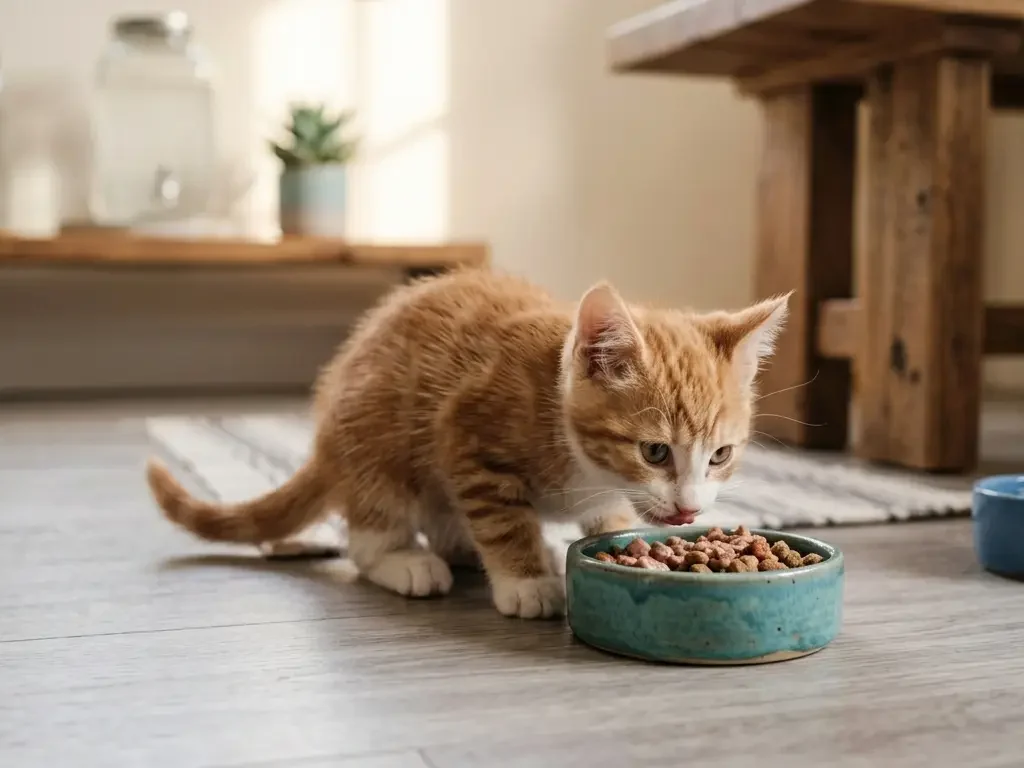
Choose a food that says “for kittens” or “for growth.” Look for an AAFCO statement that certifies that it meets developmental nutritional standards. “For all life stages” may sound convenient, but these formulas are a compromise and do not fully meet the concentrated needs of a growing kitten.
Feeding schedule by age:
Under 4 weeks: Kitten milk replacer only if mother is not present. Do not offer solid food at all.
5 to 11 weeks: Transition to solid food. Mix kitten formula with wet food to make a thick liquid (gruel). Gradually reduce the formula over one to two weeks.
3 to 6 months: Three to four meals a day. Small, frequent meals are best suited to a kitten’s digestive system.
6 months to one year: Two to three meals a day as they adjust to an adult eating pattern.
Wet food or dry food?
Wet food is a better choice for kittens. Cats evolved from desert animals that get most of their water from hunting. They have a weak sense of thirst. Dry food is very low in moisture, and kittens who eat only dry food often don’t drink enough water to compensate. This can lead to chronic low-level dehydration, which can lead to kidney and urinary problems later in life.
Wet food isn’t the only option, but it should make up the majority of a kitten’s diet especially under six months of age.
One thing no one tells you: The variety you introduce before 12 weeks of age determines what your cat will accept as an adult. Cats are imprint eaters their early food experiences set lifelong preferences. Offering a variety of textures and proteins during the kitten’s life gives you options later when health reasons dictate that a food change be necessary.
Never give cow’s milk. It can cause stomach upset and diarrhea. Fresh water, always available this is all a kitten needs to drink in addition to its food.
Litter Box Training
Most kittens don’t need to be trained to use a litter box. They already have the instinct to dig and bury their waste. They just need a box that is actually usable.
The box should be shallow enough for a small kitten to easily get in. 9 by 13 inches is a common starting size. Unscented, fine textured litter that’s what most cats prefer. Avoid strong smelling litter,
One box for each cat, plus a spare. This is the standard recommendation, and it becomes even more important in multi cat households.
Kitten care during litter training means consistency, not reaction. After each meal and each nap, gently place your kitten in the box. Let him sniff it. Most will use it in a few tries. When he does, just give him quiet praise don’t throw a dramatic celebration that will startle him in the middle.
If the kitten does leave the box, clean the area with an enzymatic cleaner and move on. Punishment does not help
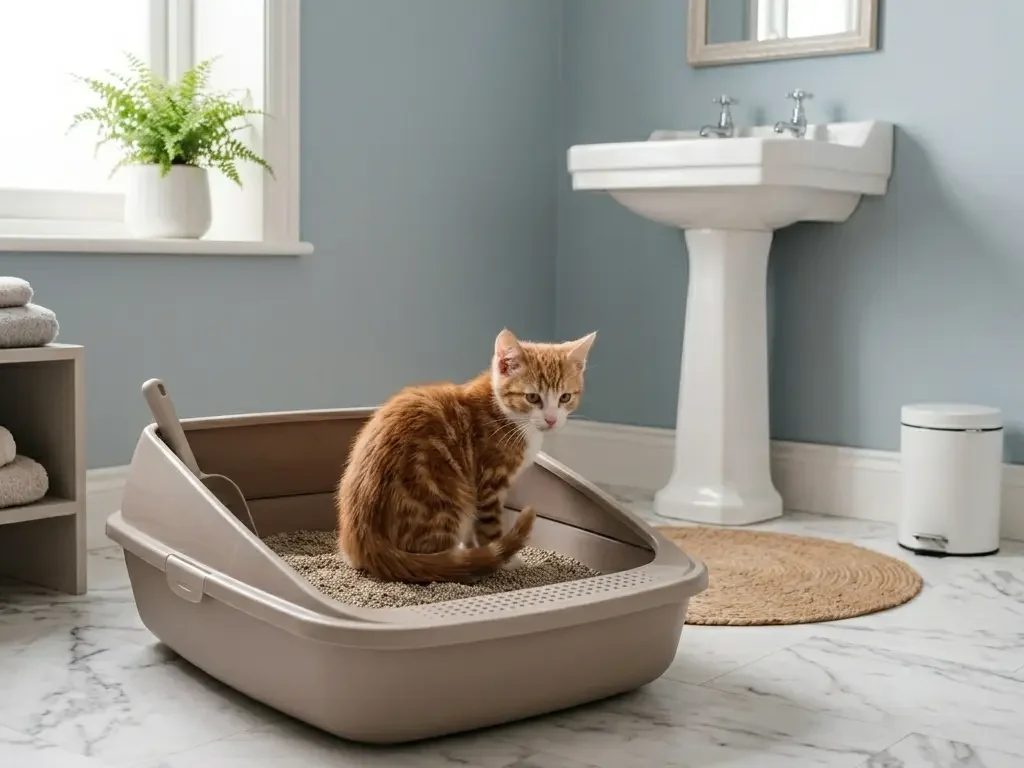
A kitten who has learned litter training from its mother and then stops using the box is usually reacting to something external: a dirty box, a misplaced box, a stressful change in the household, or a medical problem such as a urinary tract infection. Litter aversion and inappropriate urination may sound similar, but their causes and solutions are different.
Vet Care in the First Year
Your kitten’s first vet visit should happen within the first week of bringing them home, regardless of age.
Core vaccines:
6 to 8 weeks: first FVRCP (feline rhinotracheitis, calicivirus, panleukopenia)
10 to 12 weeks: second FVRCP
14 to 16 weeks: third FVRCP plus rabies
After that, your vet will advise on boosters based on lifestyle. Indoor cats and outdoor cats have different needs.
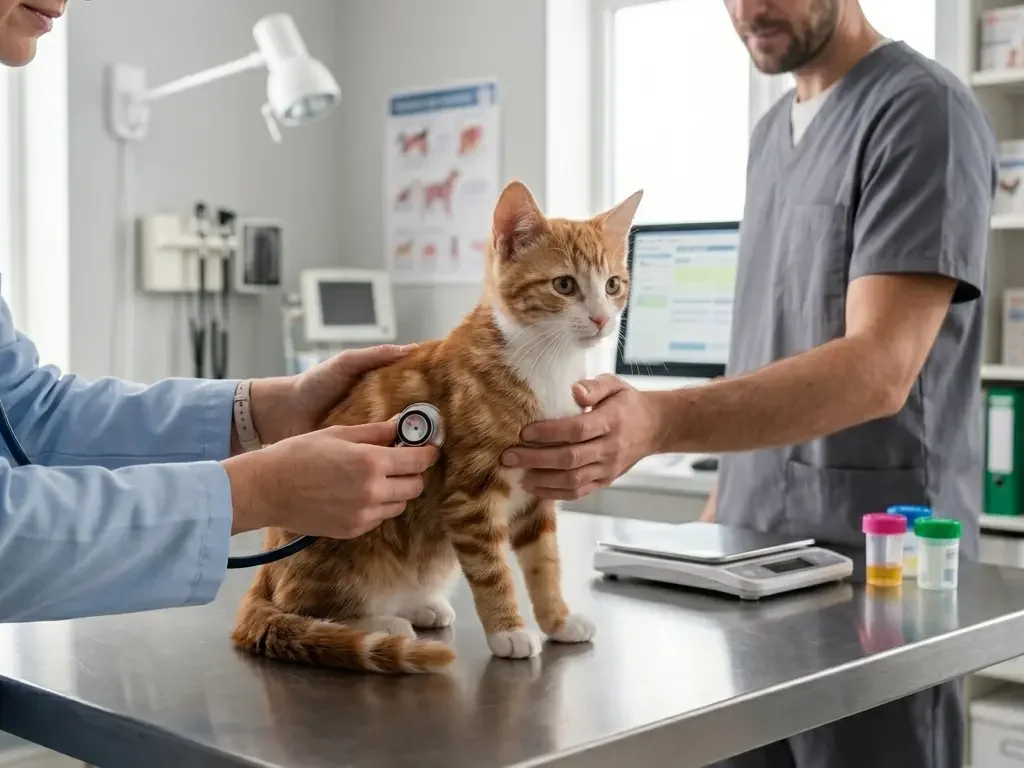
Spaying/neutering is usually recommended between 5 and 9 months of age. For female cats, spaying before their first heat significantly reduces the risk of mammary cancer. For male cats, it reduces spraying, fighting, and roaming behaviors that can cause injury.
Dental care is often overlooked. Kittens shed their baby teeth between 6 and 7 months of age. Getting them used to touching their mouths at a young age makes dental care much easier later on., but even a few times a week is realistic and still provides protection. According to the American Veterinary Medical Association, regular wellness exams catch problems that owners often overlook — because cats naturally hide pain.
The Critical Socialization Window
Between 2 and 7 weeks of age, kittens are in their primary socialization window. This is when their brains are most receptive to new experiences. What they encounter during this period largely determines how they will respond to people, animals, and the environment as adults.
Most adopted kittens have outgrown this window, but positive socialization should continue throughout their kittenhood.
Gradually introduce your kitten to different people (including children), different sounds, paw and ear touching, carriers, and eventually car rides. Small, positive experiences that are repeated over and over again build confidence. Forced experiences do the opposite.
Cats that are well socialized as kittens . These early bonds often show later through affectionate behaviors like headbutting and grooming their owners. often develop the attachment behaviors that adult owners love most following you from room to room , staying close, seeking you out. It all starts here.
Playtime and Bite Inhibition
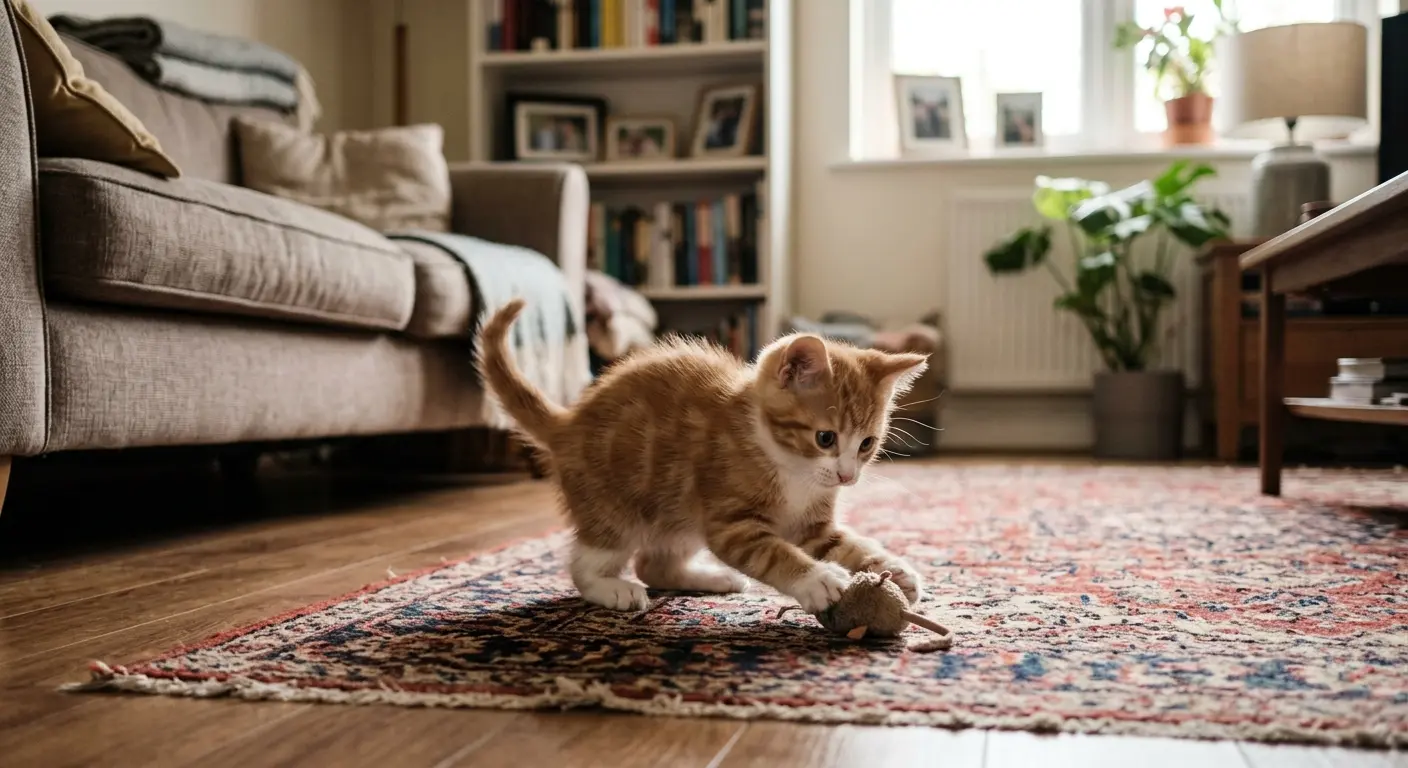
Kittens play just like trained hunters. Pouncing, chasing, grabbing, biting all of this is normal hunting behavior, not aggression.
The problem is what you teach them about appropriate targets at this stage.
Never use your hands or feet as toys. A kitten who learns that hands are acceptable for biting and clawing will carry that lesson into adulthood with a much stronger bite and sharper claws at this point. This habit is harmless at 8 weeks. By 2 years of age, it’s a problem.
Use wand toys, laser pointers, and toy mice. When your kitten bites your hand while playing, stop playing immediately. No reaction, no scolding just silence. When the biting stops, start again. They quickly learn that ending play is worse than playing with hands.
Two to three play sessions a day, 10 to 15 minutes each that’s plenty. Kittens sleep 16 to 20 hours a day, which surprises most new owners. Those sudden bursts of energy come in between long naps. That’s perfectly normal.
Introducing a Kitten to Existing Cats
Don’t introduce them on the first day. Keep the new kitten in a separate room from the resident cat for at least the first week. Let them hear and smell each other from behind a door. Switch their beds so that the scents become familiar before any visual contact.
After several days, introduce them to each other through a baby gate or a half open door. Watch body language. Hissing from the older cat is normal nothing to worry about. It’s a boundary being set.
A fully supervised introduction follows in a neutral location. Some cats accept the new kitten within days. Others take weeks. Rushing can create conflicts that take longer to resolve than taking it slow from the start.
Signs Your Kitten Needs a Vet Urgently
Normal kitten behavior: Sleeping a lot, occasional soft stools during food changes, mild sneezing in the first few days in the new home , hiding at first.
See a vet immediately: Not eating for more than 24 hours, persistent vomiting or diarrhea, labored or noisy breathing, excessive discharge from the eyes or nose, weakness or inability to stand, and suspected ingestion of a poisonous plant or substance.
Kittens have small energy reserves they can decline much faster than adult cats . When in doubt, call your vet.
Conclusion
Kitten care means getting the basics right in the first few months and staying consistent thereafter.
The right diet. A manageable starting environment. Early veterinary care. Socialization that builds trust, not fear. And handling that teaches that human contact is safe.
Frequently Asked Questions
How often should I feed my kitten?
Under six months: three to four times a day. After six months: two to three times a day. Scheduled feeding is better than free feeding all the time because it makes it easier to monitor changes in appetite, and changes in appetite are often the first sign that something is wrong.
When should a kitten’s first vet visit be?
Within the first week of bringing them home. The vet will verify their health, schedule vaccinations, discuss parasite prevention, and advise on when to spay or neuter..
Is it normal for a new kitten to hide?
Yes. Most kittens hide for the first one to three days in a new environment. As long as they are eating, drinking, and using the litter box hiding is a stress-related adjustment, not a disease. Forcing them to interact will slow the process down. Let them come out at their own pace.
When do kittens calm down?
The most energetic and playful phase lasts from about 3 months to 1 year. It doesn’t end overnight. Most cats gradually calm down after 12 to 18 months although individual personalities vary greatly. If your adult cat starts meowing at night or showing new restless behaviors, it’s usually a return to unmet mental and physical stimulation needs in the early stages.
