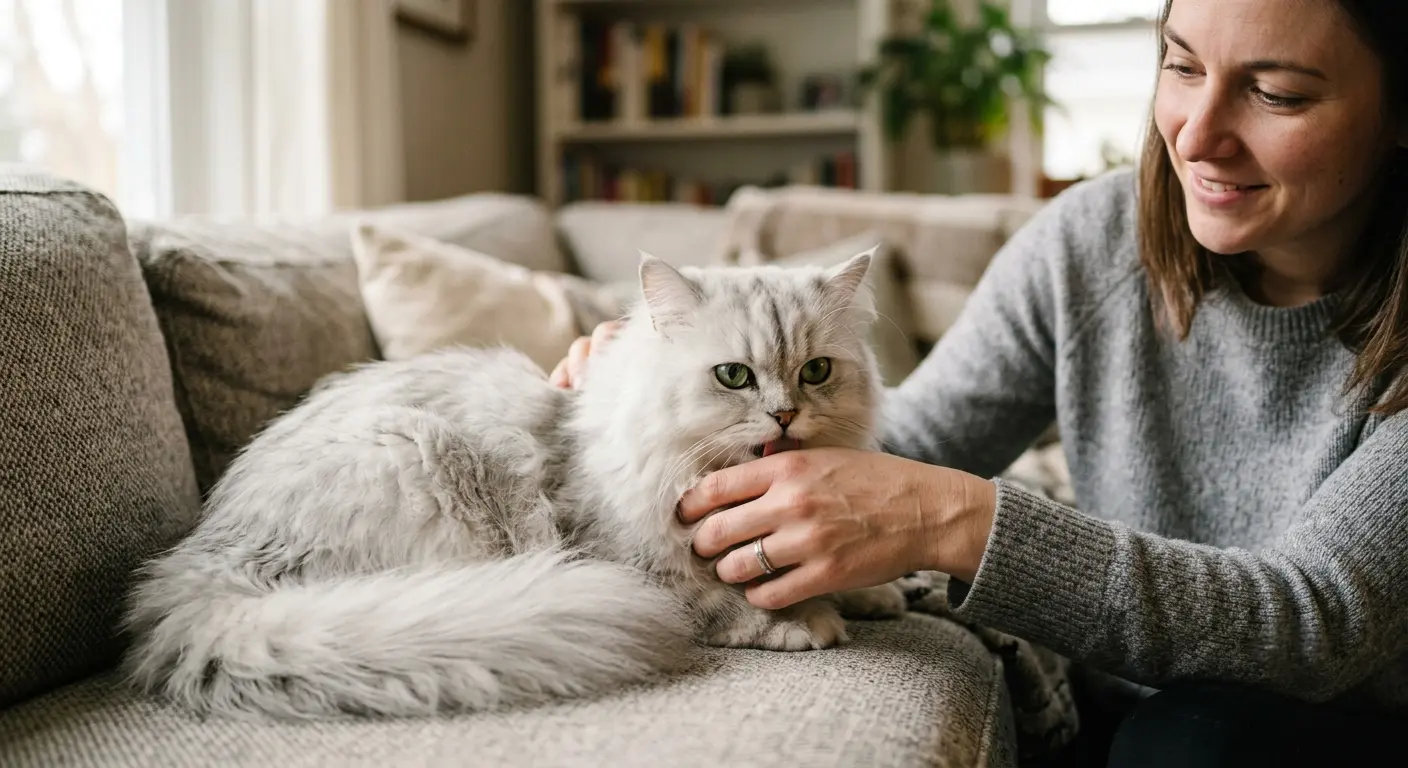

If your cat bites you gently out of nowhere, it can feel confusing at first. One moment, your cat seems calm, affectionate, and relaxed; the next, you feel a soft nibble on your hand. In most cases, this behaviour is not random, and it usually means your cat is trying to communicate something.
Gentle biting is a common cat behaviour. It may show affection, overstimulation, playfulness, discomfort, or a simple boundary. The key is to look at the full situation instead of focusing only on the bite itself.
Why gentle cat bites happen

Cats use their teeth as part of their communication style. Veterinary behaviour specialists explain that feline behaviour and communication rely heavily on subtle body language signals. A gentle bite is usually softer and more controlled than an aggressive one, so the message is often different.
Common reasons include:
- Affection or bonding.
- Overstimulation during petting.
- Play behaviour.
- A way to ask for space.
- Reaction to discomfort or sensitivity.
- Hunting instinct triggered by movement.
- A habit learned from past interactions.
Sometimes the bite feels sudden, but the warning signs often begin earlier. A twitching tail, tense body, ears turning back, or a change in posture can all appear before the nibble.
What the gentle bite usually means
A gentle bite is often a communication signal rather than an attack. Your cat may be saying:
- “I like this, but stop petting me now.”
- “I am in a playful mood.”
- “This is enough contact for the moment.”
- “Something feels uncomfortable.”
- “I want your attention.”
- “I am showing affection in my own way.”
Cats do not divide their behaviour into neat human categories like love or anger. Their behaviour is more layered than that. A soft nibble can happen when a cat is happy, tired, excited, or slightly overloaded. That is why context matters so much.
What body language tells you
Before a bite happens, cats often give small clues. These signs can be easy to miss if you are focused only on the petting or the moment of affection.
Watch for these clues:
- Tail flicking.
- Skin twitching.
- Ears turning back.
- Body stiffening.
- Sudden stillness.
- Purring stopping.
- Head turning away.
- Short, sharp eye contact.
- A quick shift in posture.
If you see these signals, the bite is less likely to be out of nowhere. The cat may have been trying to tell you to slow down long before the nibble happened.
Gentle bite versus aggressive bite
Not all bites mean the same thing. A soft nibble and a hard bite are very different behaviours, and understanding the difference helps you react properly.
| Behavior | Likely meaning | Common signs |
| Gentle nibble | Affection, overstimulation, or boundary setting | Soft pressure, brief contact, calm or mixed body language |
| Bite during petting | “That’s enough”, or touch sensitivity | Tail twitching, body stiffening, turning away |
| Bite during play | Hunting instinct or excitement | Pouncing, chasing, playful energy |
| Hard bite | Fear, pain, or aggression | Hissing, growling, stiff posture, defensive behaviour |
A gentle bite usually does not break the skin and often stops quickly. A hard bite is more forceful and usually comes with stronger warning signs. The difference matters because your response should match the behaviour.
Why does it feel so sudden?
The bite may feel sudden to you because cats communicate in subtle ways. They rarely send a giant warning sign like a flashing billboard. Instead, they give tiny signals that are easy to miss if you are not looking for them.
That is why a cat can seem perfectly happy one second and then nibble the next. The cat may have been building up to that point for a while. To you, it feels like the bite came from nowhere. To the cat, it may have been the final polite reminder.
A real-life example is simple: your cat sits beside you on the sofa, purring and looking relaxed. You pet it for a while; it seems to enjoy it, and then, after a few minutes, it takes a small bite and moves away. That usually does not mean your cat suddenly changed mood for no reason. More often, it means the petting session lasted just a little too long.
Why do cats do this during petting
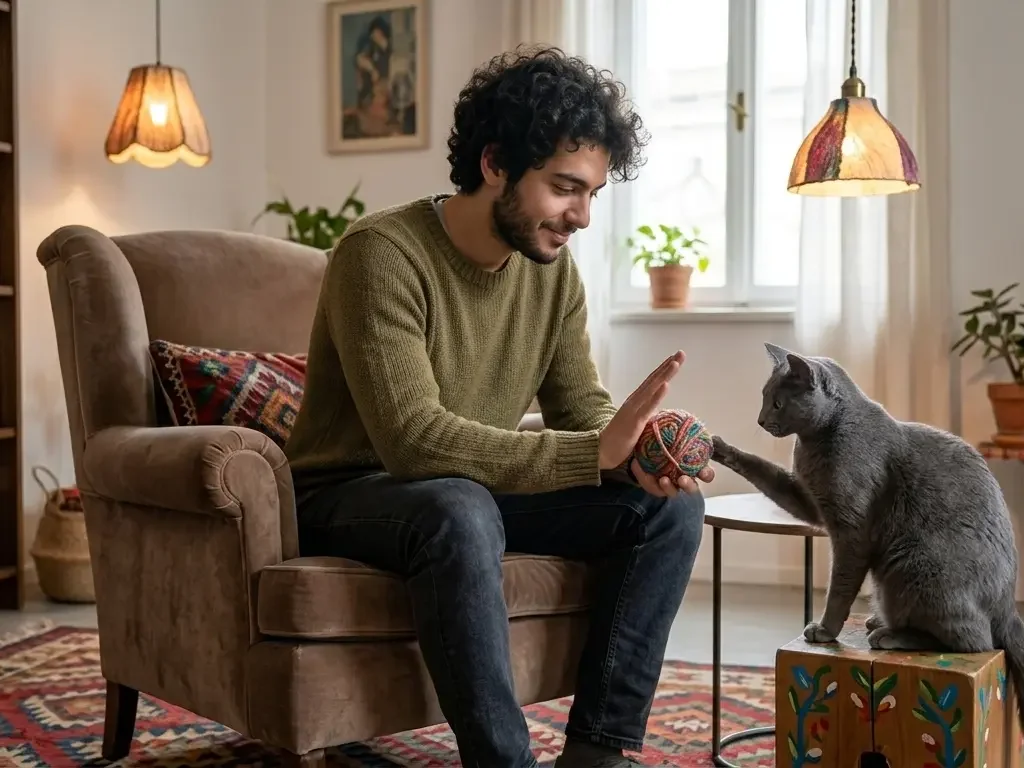
Petting is one of the most common situations in which gentle biting occurs. Some cats love physical contact, but they still have a limit. Once that limit is reached, the mouth may step in where the body language has already started speaking.
Possible reasons include:
- The petting may have gone on too long, which can sometimes lead to what behaviour experts call petting-induced aggression.
- The cat does not like a certain area being touched.
- The cat felt overstimulated.
- The cat wanted the interaction to end.
- The cat was in a relaxed mood, then became sensitive.
Many cats enjoy a few strokes and then prefer a pause. Others love attention but only on their terms. A cat is not being difficult for its own sake. It is simply telling you how much contact feels good.
Why do cats do it during play
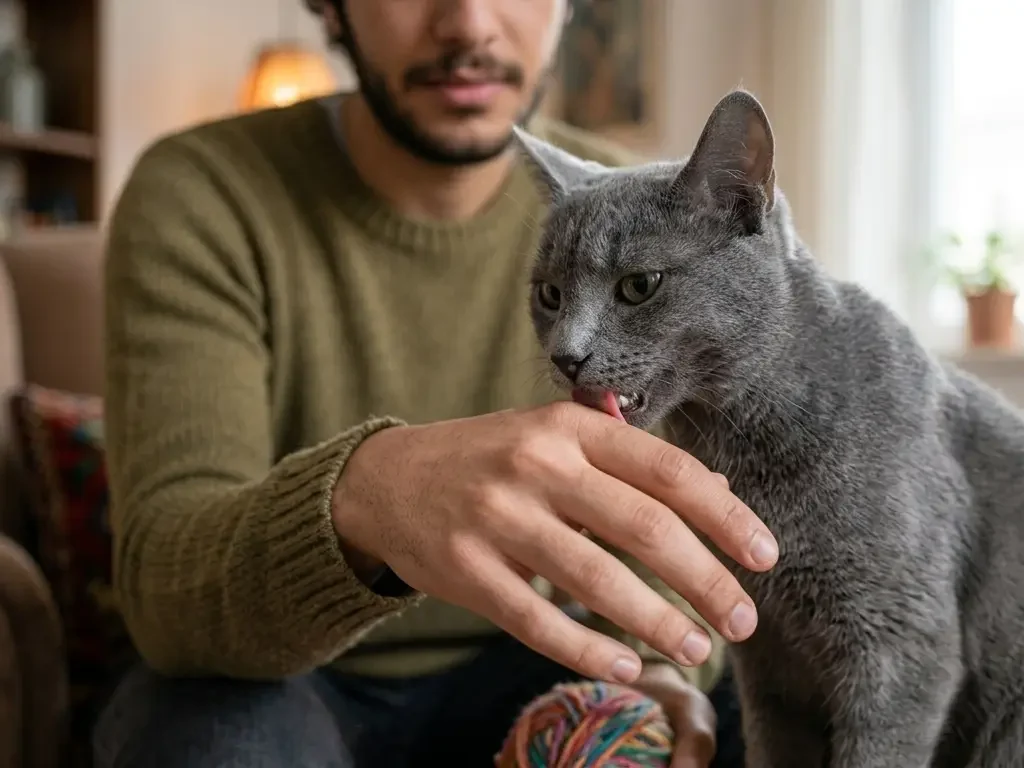
Some gentle bites are not about affection at all. They are about energy and instinct. Cats are natural hunters, and moving hands, fingers, sleeves, or feet can look like prey.
This is more likely when:
- The cat is young.
- The cat is energetic.
- The cat is already in a playful mood.
- You use your hands during rough play.
- The cat begins stalking or pouncing before the nibble.
If your cat bites gently during play, the best solution is to redirect the energy toward toys. Use a wand toy, a ball, or a stuffed toy instead of your hand. That keeps the interaction fun without teaching your cat that human hands are part of the game.
A real-life style observation
Many cat owners notice the same pattern over and over. The cat comes close, sits beside them, and seems very calm. Sometimes this calm moment begins with your cat quietly staring at you before the interaction starts. The owner starts petting, and the cat seems fine at first. After a short while, the tail begins to twitch, the body gets a little tense, and then comes the soft bite.
This is the kind of thing people often describe as “my cat bit me out of nowhere.” But when you look back, you can usually spot the signs. The cat was not trying to shock anyone. It was setting a boundary in the most cat-like way possible.
That is one reason this behaviour is so common. Cats are affectionate, but they are also very clear about comfort levels. They may enjoy closeness, but only up to a point. Once that point is reached, the tiny nibble becomes the message.
What you should do when it happens
If your cat gives you a gentle bite, stay calm. Do not jerk your hand away too fast, because sudden movement can make things worse. Instead, stop the interaction and give your cat a little space.
Try these steps:
- Stop petting immediately.
- Keep your hand still for a moment.
- Let the cat move away on its own.
- Notice what happened just before the bite.
- Shorten future petting sessions.
- Use toys instead of hands during play.
- Watch for early warning signs next time.
The goal is not to punish the cat. The goal is to understand the trigger. Cats learn best through consistency and calm behaviour, not through fear or punishment.
How to reduce gentle biting over time
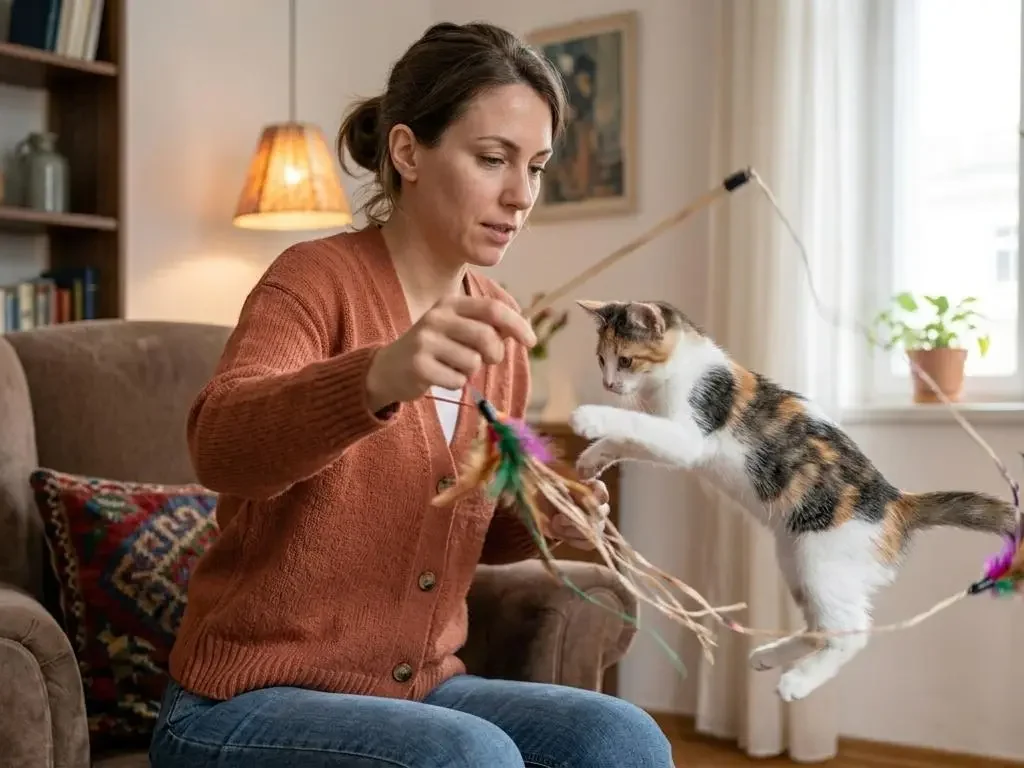
You can often reduce this behaviour by learning your cat’s limits and respecting them. Every cat has a different tolerance for touch, energy, and closeness. Some cats want long cuddles. Others want just a few seconds of petting before they are done.
Useful habits include:
- Pet in shorter sessions.
- Avoid sensitive areas if your cat dislikes them.
- Let your cat initiate contact. Cats that feel secure enough to initiate contact often also follow their owners from room to room
- Use interactive toys for active play.
- Pause when the tail starts twitching.
- Stop before your cat gets overstimulated.
Think of it as learning your cat’s personal comfort settings. Once you know the settings, the relationship becomes much smoother.
When you should worry
Most gentle biting is harmless, but there are times when it deserves more attention. If the behaviour suddenly changes, becomes more frequent, or occurs alongside signs of pain or stress, it may be more than simple play or affection.
Pay closer attention if your cat:
- Starts biting harder than usual.
- Avoids being touched.
- Hides more often.
- Eats less than normal.
- Hisses or growls.
- Shows signs of pain.
- Behaves very differently from before.
A new biting pattern can sometimes point to discomfort, fear, or illness. If that happens, a veterinarian should check the cat.
Conclusion
A cat that bites gently out of nowhere is usually not being mean or random. Most of the time, it is simply communicating. The bite may mean affection, overstimulation, playfulness, discomfort, or a boundary.
If you pay attention to timing, posture, tail movement, and the way your cat behaves before the bite, the pattern becomes much easier to understand. Once you learn your cat’s signals, you can respond more calmly, avoid confusion, and build a better relationship with your cat.
Frequently Asked Questions
Why does my cat bite me gently and then lick me?
This often points to grooming or bonding behaviour. Some cats lick first and then nibble as part of their social style.
Why does my cat bite me gently while purring?
Purring does not always mean keep going. Your cat may enjoy the attention at first and then become overstimulated.
Why does my cat bite me gently when I pet her?
The most common reason is that your cat has had enough. It may also mean a certain area feels uncomfortable.
Is a gentle bite the same as aggression?
No. A gentle bite is usually soft, controlled, and brief. Aggression is usually stronger and comes with more obvious warning signs.
Should I punish my cat for gentle biting?
No. Punishment usually makes cats more stressed and confused. Calmly stopping the interaction works much better.
