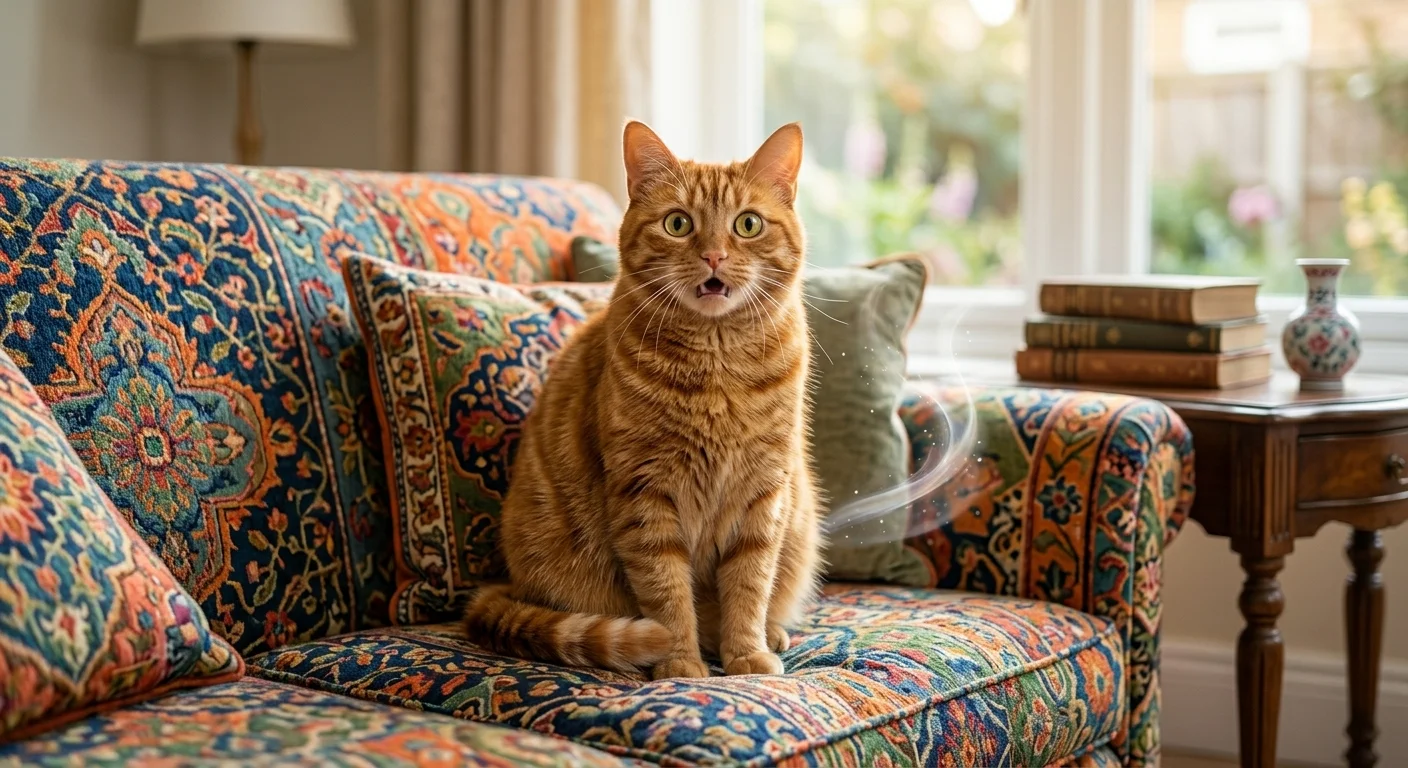
Yes, cats can pass gas. Silent farting occasionally is considered to be a common process, yet if it happens constantly or smells particularly strongly, then something needs to be done about it. It could be anything from switching your pet’s diet or feeding him quickly to being accompanied by parasites or other conditions.
Can cats fart, and how much is normal?
Gas is produced when there is digestion of food, and bacterial action on substances within the digestive tract. Air that may have been swallowed is another source of this gas which ultimately passes out through the rectum.
Cats tend to be less gassy compared to dogs. Occasional passing of a small amount of gas that doesn’t smell is usually nothing to worry about if the cat is eating, gaining its weight, going to the bathroom normally and acting normal.
This symptom gains importance when it increases in frequency and smell. In case of any changes, the situation becomes important if it happens along with other symptoms such as soft stool, diarrhea, vomiting, constipation, decreased appetite, weight loss, lethargy or an abnormally swollen belly.
| Pattern | What it may mean |
| Occasional silent fart, normal behavior | Usually normal digestion |
| Gas after a recent food change | Temporary digestive upset |
| Frequent gas with loose stool | Intolerance, parasites, infection, or intestinal disease |
| Rotten smell with no other signs | Diet-related gas is possible, but monitor closely |
| Gas with pain, vomiting, or a hard belly | Needs prompt veterinary attention |
When farting becomes worth investigating
The amount of gas passed by cats cannot be universally considered normal in all cases. There may be cats who pass gas periodically in a seemingly random manner. The important aspect here is any changes in the normal behavior of your cat.
Consult your veterinarian in case the problem persists beyond several days, recurs frequently, or becomes more foul-smelling.
Contact a veterinarian sooner if the gas is accompanied by:
- Vomiting or repeated retching.
- Diarrhea or mucus in the stool.
- Constipation or difficulty passing stool.
- Loss of appetite.
- Weight loss.
- Low energy or hiding.
- A painful, swollen, or firm abdomen.
- Blood in the stool.
- A sudden digestive change in an older cat deserves extra attention because senior cats are more likely to have underlying health conditions that affect appetite, weight, and digestion.
A hard, painful abdomen, repeated vomiting, collapse, or inability to pass stool requires urgent veterinary care. Do not try to treat severe abdominal symptoms with home remedies.
The 7 most common reasons your cat may be gassy
1) A recent food or treat change
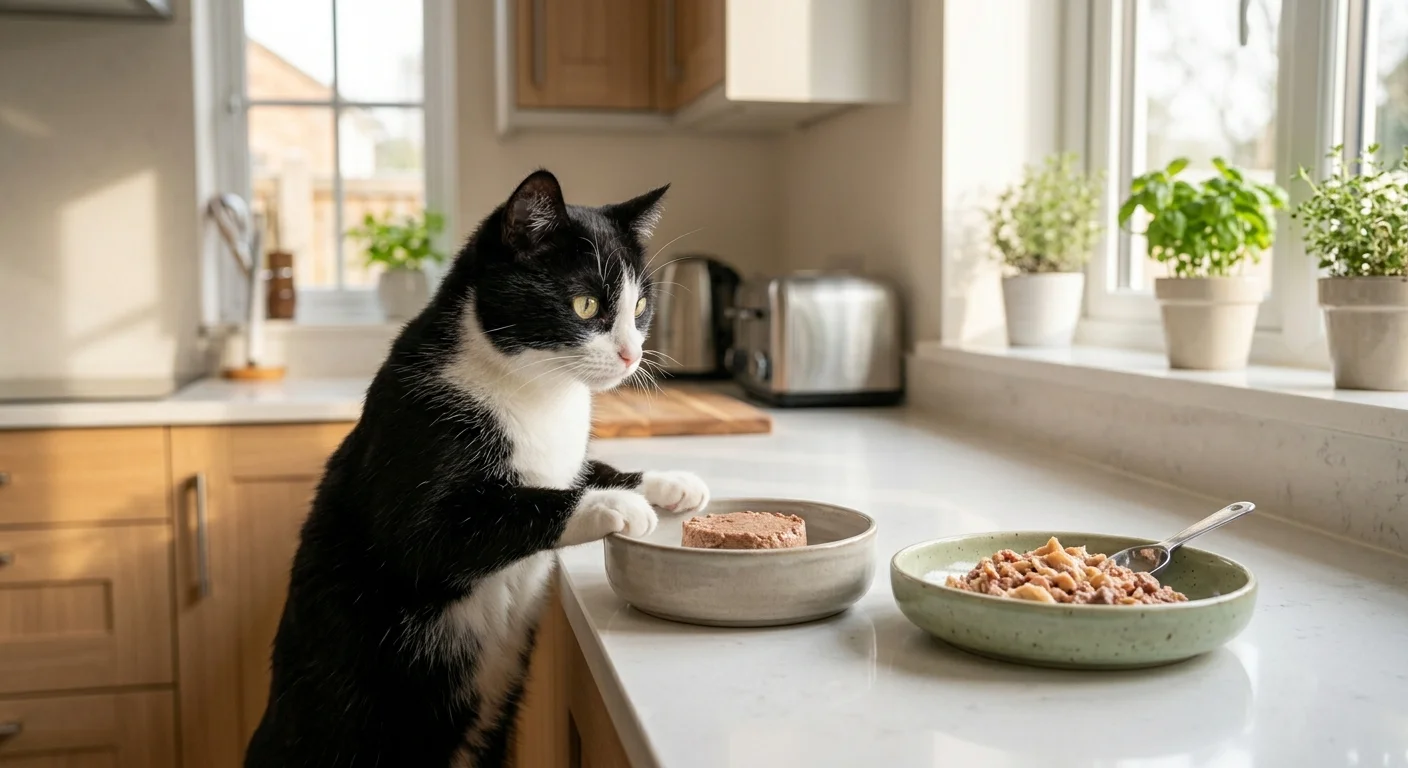
Sudden change of diet is another very common cause of gas in cats. Your cat’s body and gut flora become used to the composition of the current diet. A sudden shift may affect digestion and result in farting, loose stool, vomiting, and diarrhea.
This may occur even if you switch to a good-quality diet. It could be because of how fast the switch occurs rather than what you switched to.
In any case, when switching diets, you should do it gradually in about a week or longer depending on the sensitivity of your cat’s digestive tract. If diarrhea becomes severe or if vomiting occurs frequently, do not hesitate to consult a vet.
2) Food intolerance or allergy
Some cats cannot digest or tolerate certain ingredients. Food sensitivity results in gasses, loose stools, vomiting, or stomach upset. However, food allergy can also trigger problems like itchy skin, ear inflammation, hair loss, or excessive grooming.
Do not assume that grain-free diet, raw foods, or high-protein formulas will fix the issue. Cats require nutritionally balanced diets, and the optimal one should be selected for each cat individually. If your vet suspects food allergy, she may suggest trying an elimination diet.
3) Eating too quickly or swallowing air
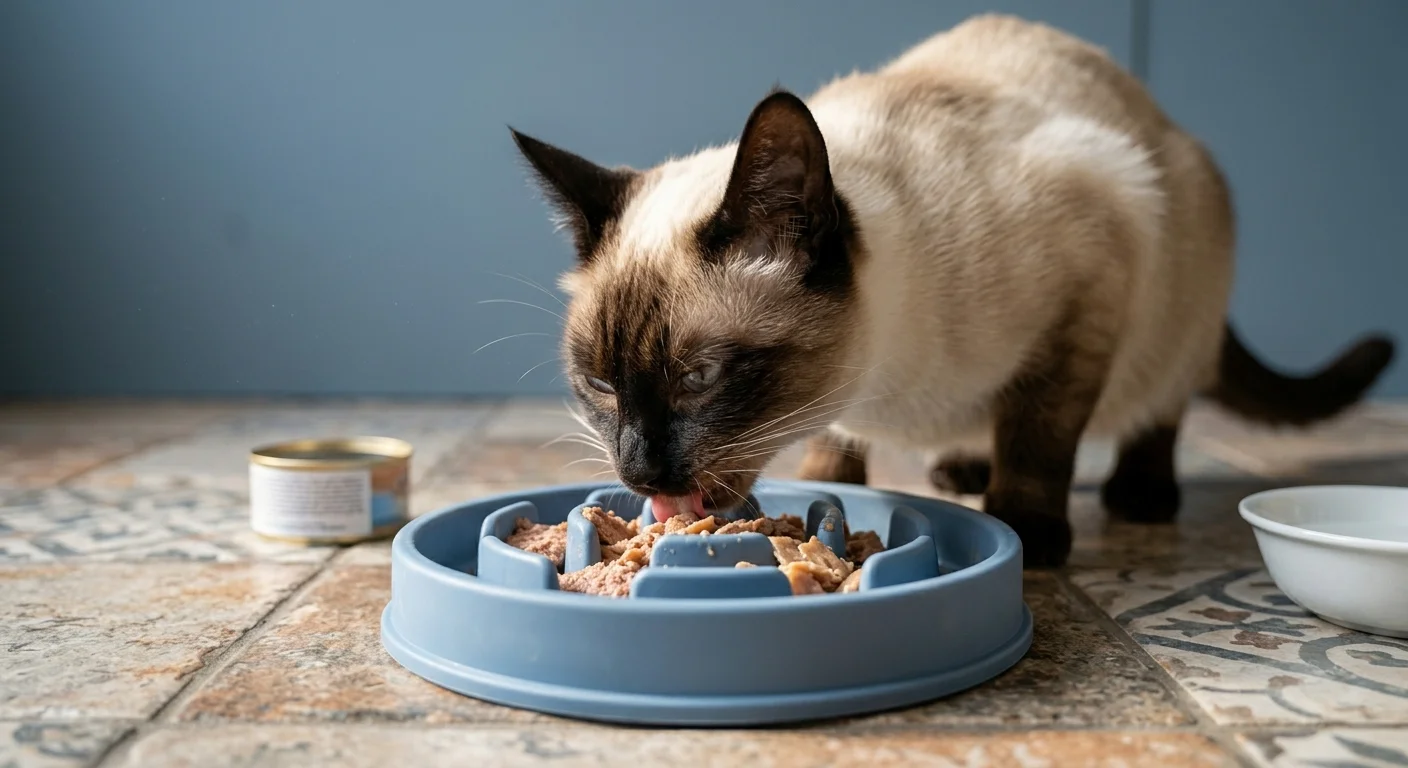
The cat that consumes food too quickly can end up swallowing excess air, and this can eventually become gas. The fast eating can be caused by competing with other cats, fear of losing their food, past history of lack of food, hunger, or a stressful feeding area.
The remedy could be breaking down the meal to give small meals and feeding each cat individually. There is also the use of a slow-feeder dish, although introducing it needs to be gradual. Hunger can be a sign of many other medical problems like hyperthyroidism or diabetes.
4) Milk, table scraps, or spoiled food
It is often seen that many matured cats lack the ability to digest the lactose content in the milk products. It results in gas formation and diarrhea in most cases.
A better way would be to feed your cat with what she usually eats on and avoid feeding her with any table scraps or other stuff that might cause indigestion in cats.
5) Parasites and intestinal infections
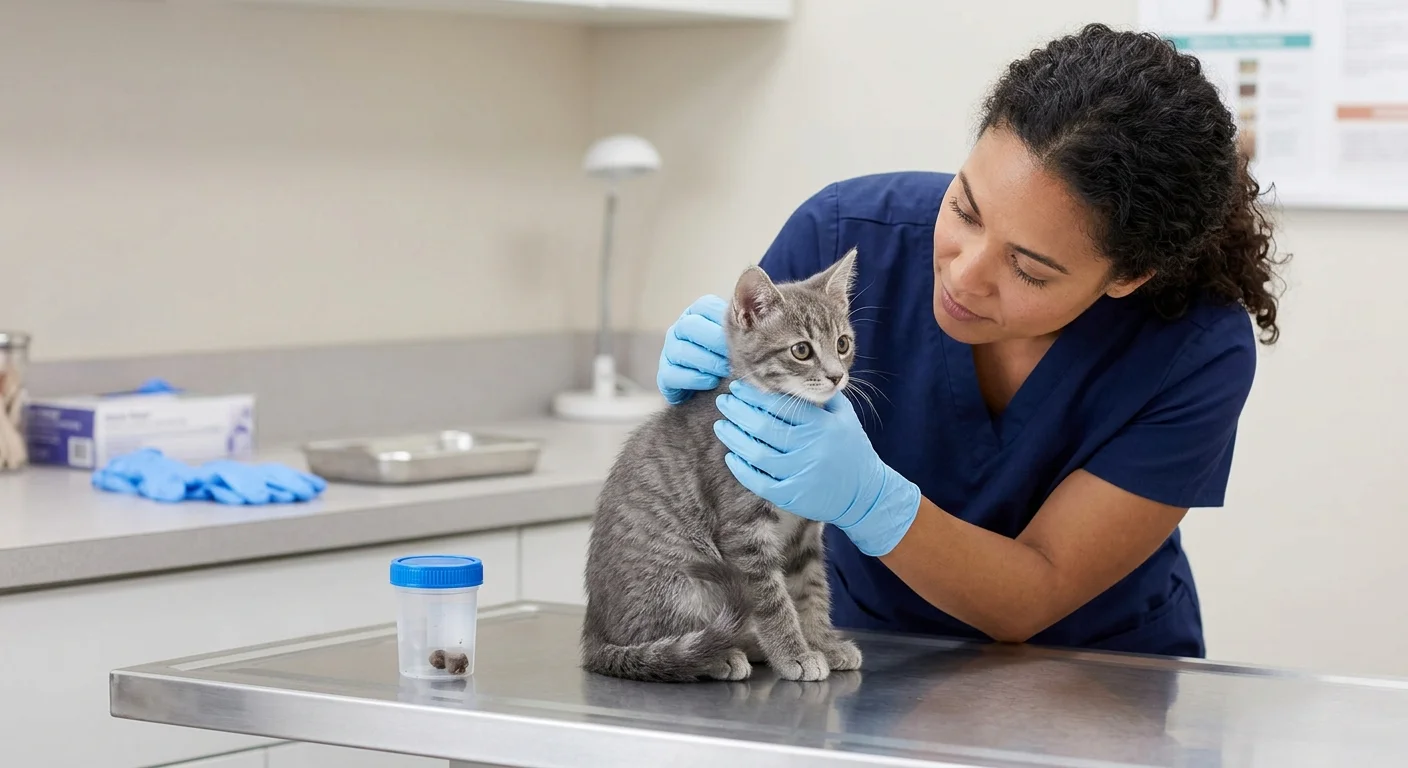
These parasites might lead to digestive problems and flatulence. In addition, roundworms, hookworms, coccidia, and Giardia may result in diarrhea, vomiting, weight loss, dull fur, or a potbellied look.
Indoor cats are not fully immune to parasites. Contamination may happen through soil, insects, other animals, or items introduced into the house. Fecal tests will aid in diagnosing some parasites, but there is no universal dewormer for all of them.
Don’t use any over-the-counter dewormers without consulting a vet. You should know the parasite, the age, weight, and overall condition of your pet.
6) Stress, feeding competition, or low activity
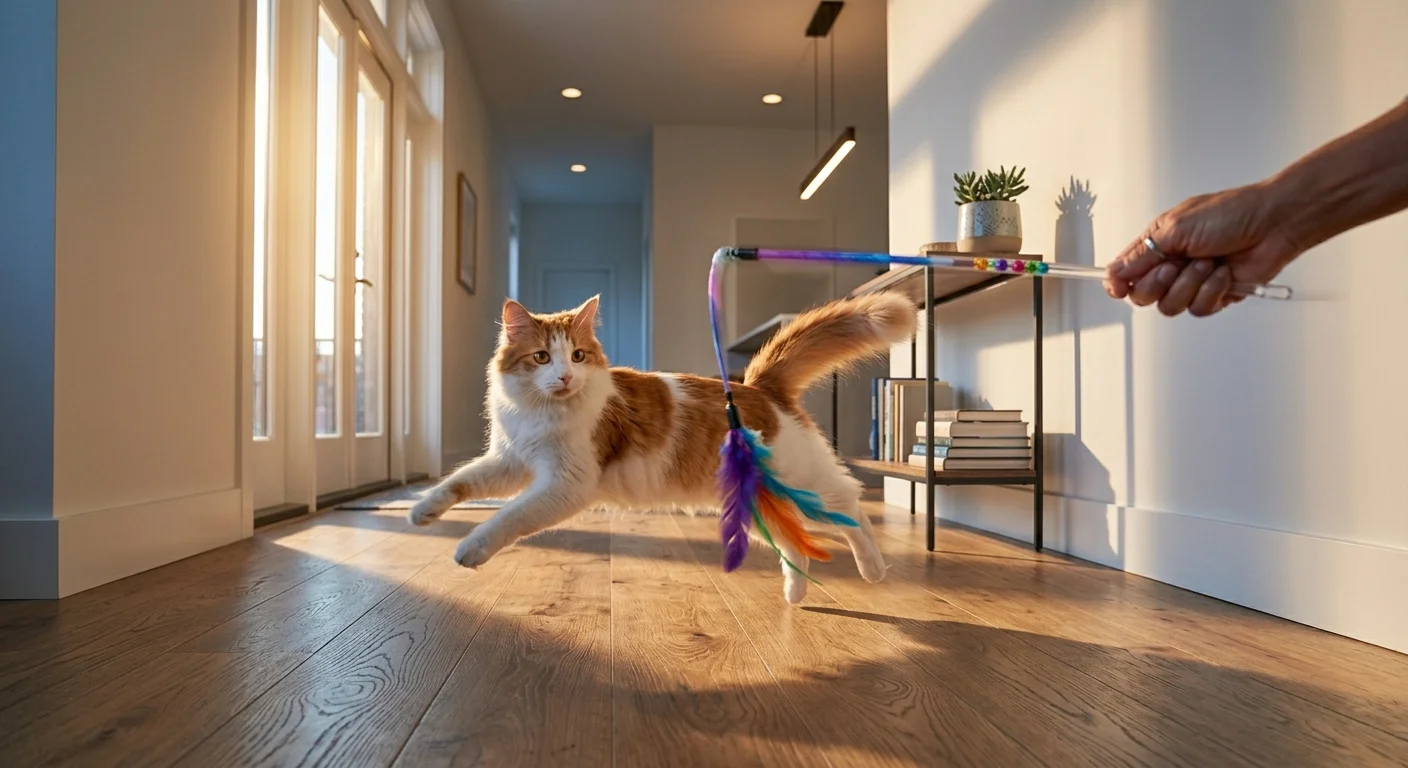
It might also have an impact on your cat’s eating habits as well as its digestion process. Your cat might gobble up the food when a different animal comes near the food bowl, the bowl is placed in a chaotic area, or when your cat does not have a quiet spot to dine at.
Consider serving food in a tranquil environment and having different areas for the cats to eat. Maintain regular feedings and offer comfortable resting spots. The light play will help the cat be active, but it won’t solve the gas problem caused by parasites.
7) Digestive disease
Excessive gas formation can be associated with inflammatory bowel disease, intestinal infection, bacteria imbalance, malabsorption, obstruction, liver or pancreatitis, and rarely, cancer.
In these cases, the symptoms are not limited only to excess gases; your cat will experience loss of appetite, vomiting, diarrhea, lethargy, and pain on touching the abdomen area. Special attention should be paid to cats that are kittens, old, or have other health issues.
Why do cat farts smell so bad?
Usually, the smell is due to the gases formed because of the activity of the bacteria in the intestine breaking down certain food elements. Gases containing sulfur may result in a smell like that of a rotten egg. The foods listed include dairy, spoiled foods, dietary intolerance, and some types of fiber.
An occasional strong smell does not necessarily mean that your cat is sick. However, repeated foul smells are alarming, especially when diarrhea, weight loss, vomiting, or changes in appetite accompany it.
Don’t evaluate your food choice for your cat just by smelling its flatulence. Proper nutrition for your pet is more important than selecting a formula based on misleading terms like “grain-free” or “natural.”
What you can check at home

Before changing anything, look for a pattern. Write down:
- What food and treats your cat ate.
- Whether human food or milk was given.
- When the gas occurred.
- Stool color and consistency.
- Any vomiting or constipation.
- Appetite and water intake.
- Changes in weight or energy.
- Whether meals are being eaten too quickly.
- Any recent stress or household change.
This will help prevent confusion and give your vet a starting point in determining whether the problem could be diet-related, behavioral, due to parasites, or something more serious.
You can also ensure the food is fresh, the bowls are clean, and your cat is not fighting with other cats for food. Do not push down hard on a sore tummy or attempt to make your cat vomit.
How a veterinarian diagnoses excessive gas
Questions will be asked about the onset of gas production, its frequency, diet of your cat, and changes in the stool and appetite. When examining your cat, the veterinarian will assess the weight, hydration, mouth condition, body temperature, and perform abdominal palpation.
Depending on the findings, testing may include:
- A fecal examination for parasites.
- Blood work.
- Abdominal X-rays.
- Ultrasound.
- Testing related to nutrient absorption.
- A supervised diet trial.
- Additional intestinal testing in persistent cases.
All the tests are not necessary for all cats. The correct diagnostic procedure should be selected based on the length of the issue, age of the cat, and other factors.
Treatment depends on the cause
It should be noted that there is no one medication to safely treat feline flatulence. The treatment can include a careful diet change, diet prescription for the condition of intolerance, parasite medications, therapy of infections or inflammatory diseases of the intestine.
Sometimes, a probiotic for cats can be recommended by a veterinarian, but it cannot substitute for tests and treatment of other disorders and conditions. The quality and kinds of bacteria can differ in probiotics, and supplements cannot fit all cats.
In case of obstruction or another serious condition, the treatment can include hospitalization, imaging, surgery or prolonged medication. After the treatment of the underlying cause of gas, the cat’s problem can be improved within several days or weeks.
How to reduce future flatulence safely
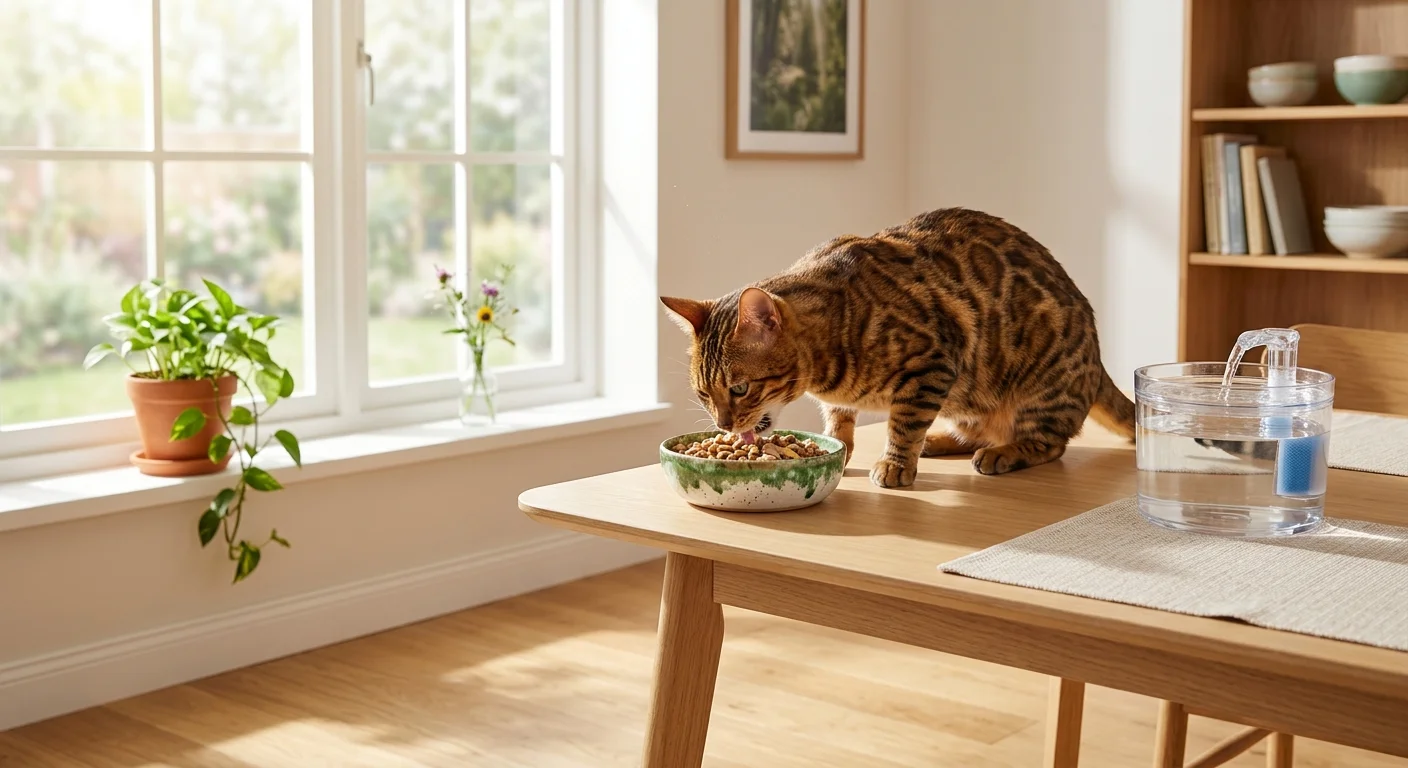
The following habits can support healthier digestion:
- Make food changes gradually instead of switching overnight.
- Avoid milk, table scraps, spoiled food, and rich treats.
- Feed measured portions suited to your cat’s body condition.
- Divide food into smaller meals if your cat gulps.
- Feed cats separately when competition is present.
- Keep bowls clean and food fresh.
- Provide fresh water in an accessible location.
- Offer gentle play and regular activity.
- Keep a food and symptom journal.
- Ask your veterinarian before starting probiotics, supplements, or a therapeutic diet.
These steps are supportive, not a substitute for diagnosis when gas is persistent or accompanied by illness.
When gas may be an emergency
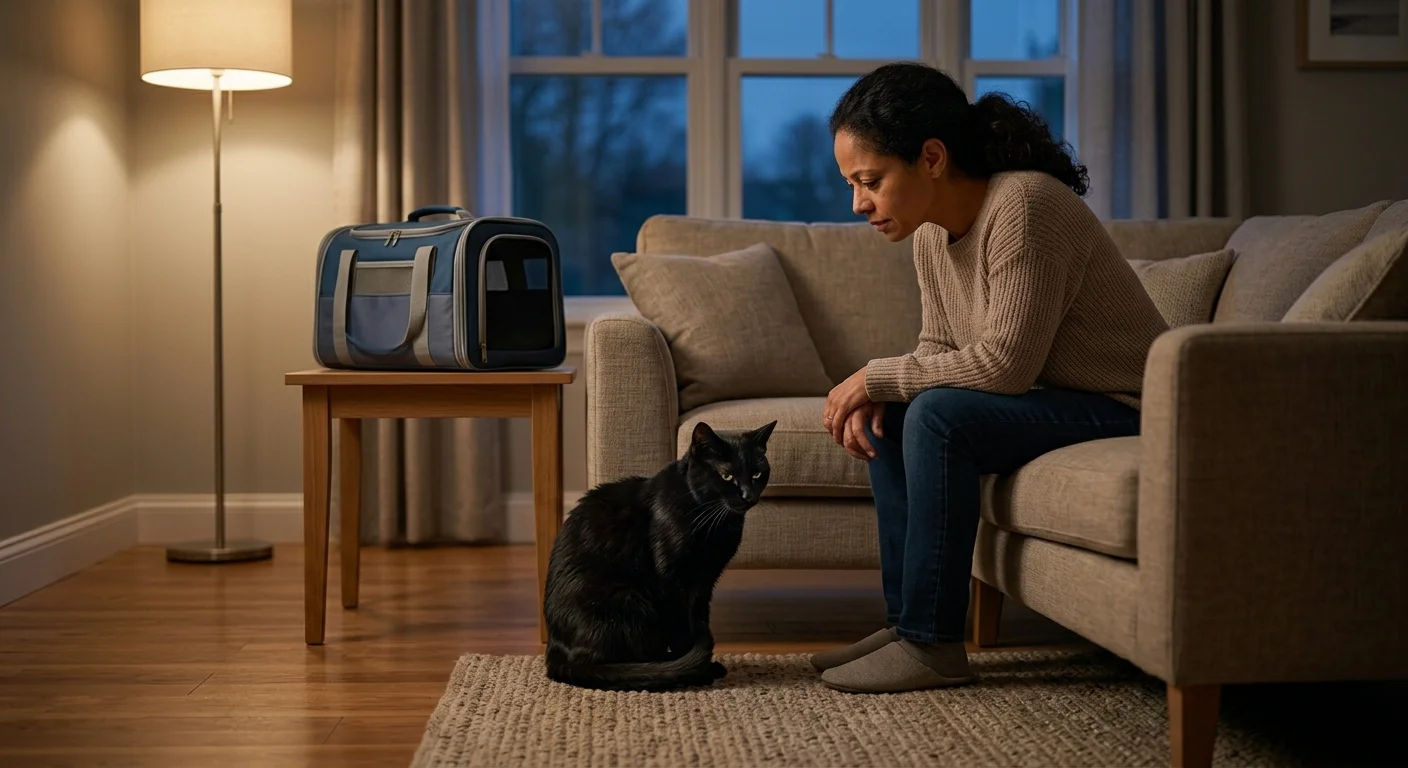
Flatulence in itself is not usually a crisis. The issue lies in flatulence accompanied by other symptoms indicating abdominal problems.
Take your cat to a veterinarian urgently if there is a distended or hard abdomen, repeated vomiting, pain, collapse, severe weakness, blood in the feces, or if it has been unable to defecate. A cat that has stopped eating, particularly an obese cat, requires urgent help as well since refusal to eat can cause significant liver complications.
The bottom line
Farting in cats every now and then is generally nothing to worry about. This is due to the fact that your feline friend’s digestive system will generate gas when the process of digestion occurs, while the air that the kitty swallows can contribute to this.
However, if your cat continues farting, you should not concentrate your attention on this alone. It is important for you to find out what has changed – either the diet, the treats, milk, quick eating, stress, presence of parasites, or any other symptoms.
Your aim is not to stop your kitty from producing these sounds, but to ensure that excessive flatulence is not the first symptom of something more serious.
Frequently asked questions
Do cats fart normally?
Yes. Experiencing some degree of gas is considered normal as a result of digestion and air swallowing. However, experiencing frequent, abrupt, and highly foul-smelling gas should not be disregarded.
Can worms cause gas in cats?
Yes, because intestinal worms can interfere with your digestion process, causing you to experience symptoms such as flatulence, diarrhea, vomiting, and even weight loss. You need a fecal test to diagnose your condition.
Can milk make my cat fart?
Yes. Many adult cats do not digest lactose well. Milk and dairy products may cause gas, loose stool, or diarrhea, so they are best avoided unless your veterinarian recommends a specific product.
Should I change my cat’s food?
If there is an obvious reason, though. A rapid switch may increase gas, so make the switch slowly. When there is suspicion of a food intolerance, discuss a food trial with your veterinarian instead of switching foods randomly.
Are probiotics safe for cats?
Although there may be cat-specific probiotics that can work for some digestive issues, they should not be used in all cases. Please consult your vet regarding the probiotic, dosage, and test requirement.
What should I feed a gassy cat?
Provide your cat with an adequate and balanced diet of cat food suitable for its age and health condition. This will depend on the underlying problem causing the excess gas production. Consultation with a vet might be necessary to recommend a specific diet.
When should I call the vet?
Contact if there is persistent, significantly increased, especially foul-smelling flatulence, or flatulence accompanied by diarrhea, vomiting, constipation, lack of appetite, weight loss, lethargy, or abdominal pain.
