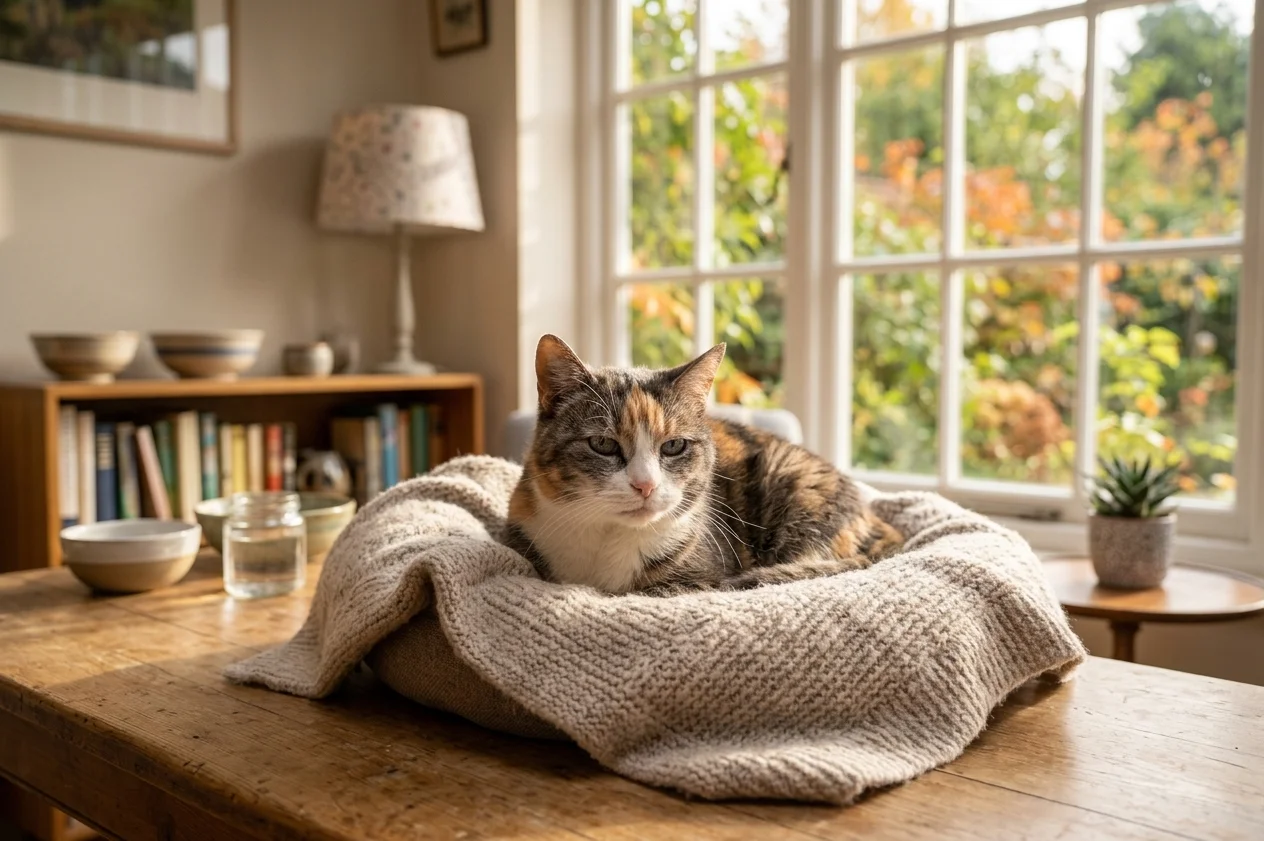
If your cat is sleeping more, jumping less, or taking longer to reach the litter box, it is easy to think, “She is just getting old.” Sometimes that is true. But in senior cats, small changes can also be the first signs of arthritis, dental pain, kidney disease, hyperthyroidism, diabetes, or vision problems.
As a veterinarian, I would rather examine an older cat for a change that turns out to be harmless than miss a treatable problem because it was dismissed as aging. Senior cat care is not about treating your cat as fragile. It is about noticing changes earlier, making daily life easier, and protecting comfort, appetite, movement, and quality of life.
When is a cat considered senior?
There is no single birthday at which every cat suddenly becomes “old.” Many veterinary sources consider cats senior from around 10 or 11 years, while cats over 15 are often described as geriatric. Individual cats age at different rates depending on genetics, nutrition, lifestyle, previous illness, and access to veterinary care.
You do not need to wait for a particular age before making thoughtful changes. A comfortable bed, easy access to water, regular dental care, and routine health checks benefit cats throughout adulthood.
The most important principle is this: old age is not a disease. Sleeping more can be normal, but difficulty jumping, weight loss, poor grooming, increased thirst, or litter box accidents should not automatically be blamed on age.
Start with regular veterinary care
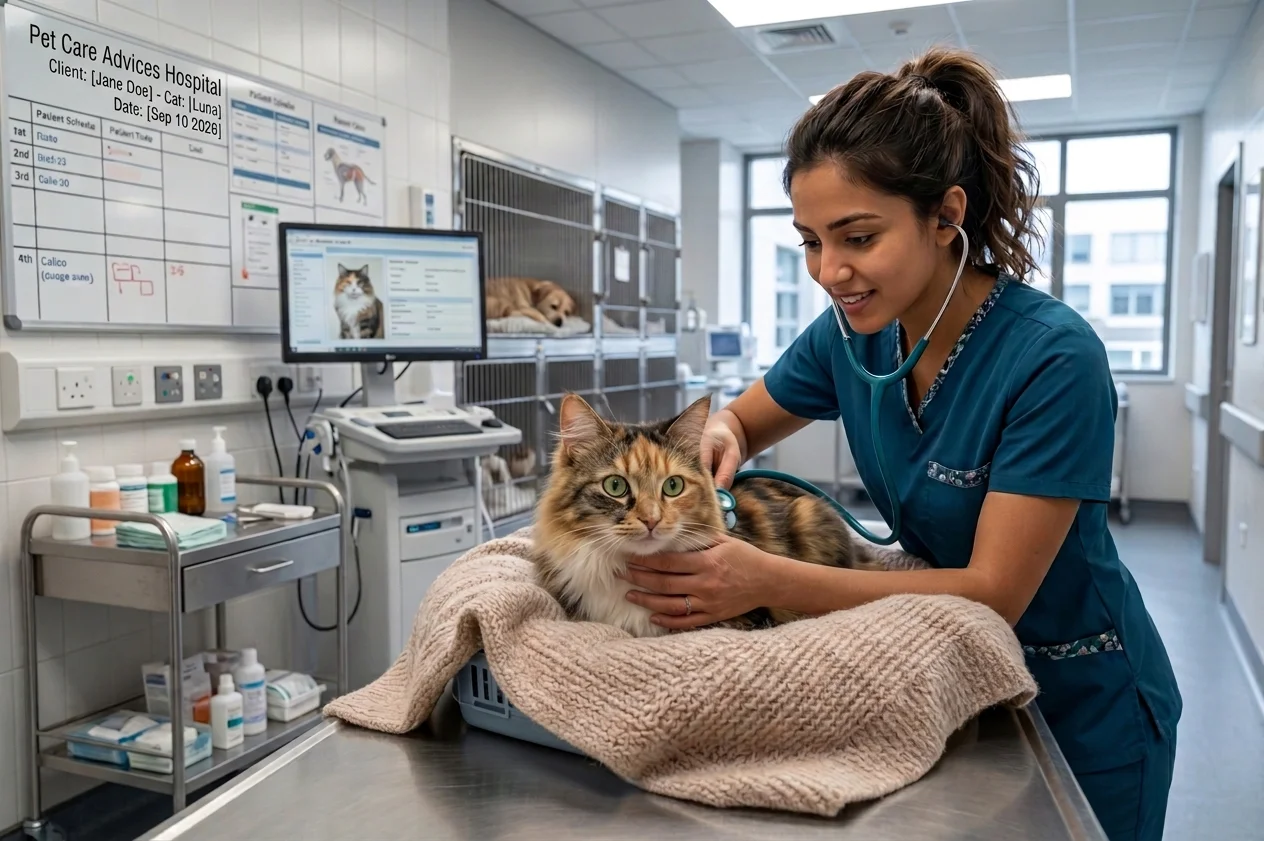
Cats are remarkably good at hiding pain and illness. By the time an owner notices a major change, a condition may have been developing for months. Senior examinations give your veterinarian the opportunity to compare your cat with previous records and detect subtle changes in weight, muscle, hydration, teeth, eyes, heart, kidneys, and thyroid.
For many senior cats, a checkup every six months is sensible, although the ideal schedule depends on age and medical history. Cats with kidney disease, diabetes, hyperthyroidism, arthritis, or other chronic conditions may need more frequent monitoring.
Your veterinarian may recommend blood work, urinalysis, blood pressure measurement, dental assessment, fecal testing, or imaging when indicated. These tests are not automatically necessary for every cat at every visit. The right plan depends on your cat’s symptoms, examination, and previous results.
Watch the changes you might miss
The best senior-cat-care tool is often your familiarity with your own cat. You know how she normally walks, eats, sleeps, grooms, plays, and uses the litter box.
A small notebook or phone note can help you track changes over time. Record appetite, body weight, water intake, vomiting, stool, urination, grooming, and mobility. A short video of your cat walking, climbing, or playing can also help your veterinarian identify gradual changes that are difficult to describe in the consultation room.
Pay particular attention if your cat begins hiding, interacting less, vocalizing at unusual times, sleeping in a different place, avoiding stairs, or losing interest in activities she once enjoyed. A change that persists for more than a few days deserves discussion, especially when several changes appear together.
Keep food and weight under review
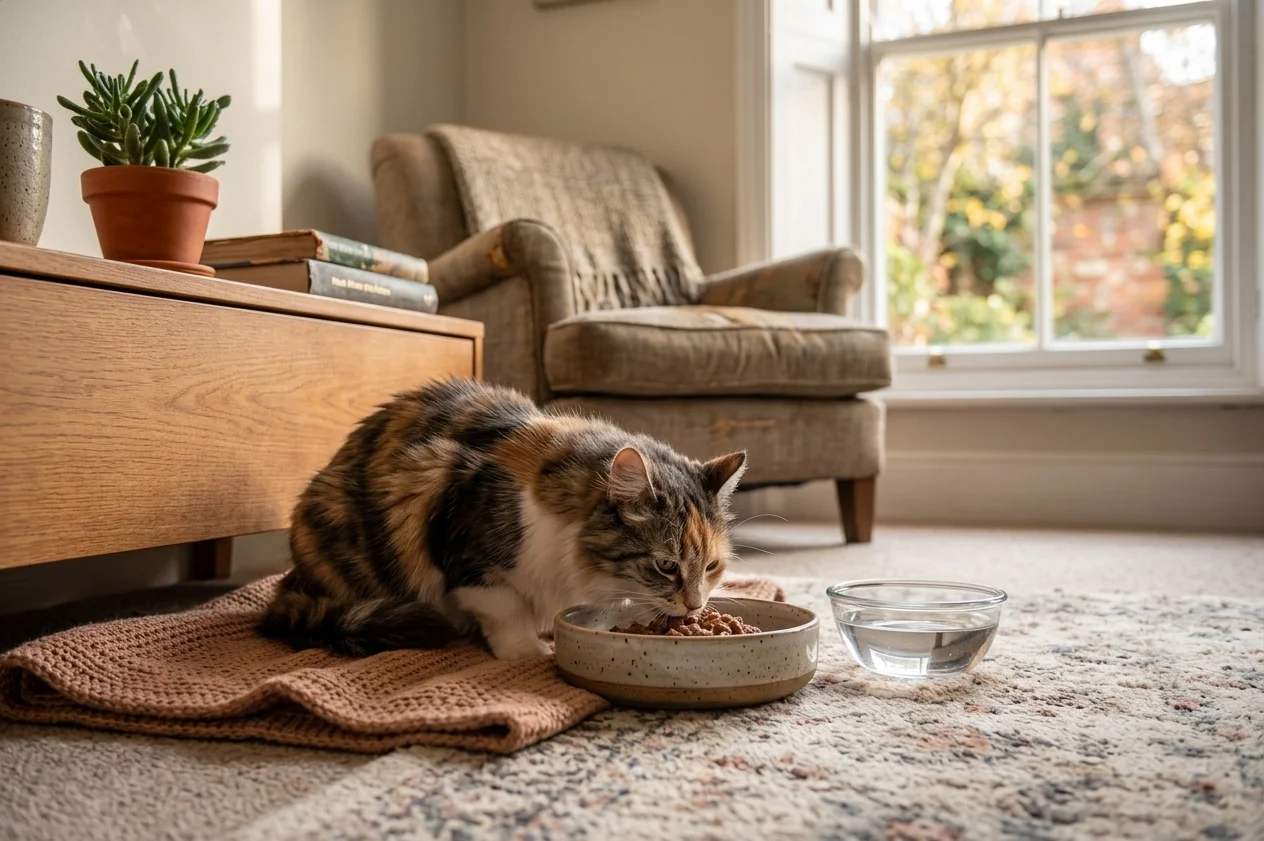
Senior cats can gain weight because they become less active, but they can also lose weight despite eating normally or even eating more. Unexplained weight loss may be associated with dental disease, hyperthyroidism, diabetes, kidney disease, gastrointestinal disease, or cancer.
Weigh your cat regularly using the same scale and record the result. Slow changes are easy to miss when you see your cat every day. You should be able to feel the ribs beneath a light covering of tissue, but the ribs and spine should not become sharply visible. Prominent hips or a bony spine may indicate muscle loss rather than simply a slim body.
Do not change to a new diet just because the label says “senior.” Some healthy older cats do well on the complete adult diet they have always eaten, while others need a diet adjusted for kidney disease, diabetes, dental pain, weight management, or digestive problems.
If your cat is eating less, the first step is a veterinary examination. Dental pain and nausea are common reasons cats approach food but fail to eat. Once illness has been excluded or treated, offering smaller meals more frequently, warming wet food slightly, or trying a different texture may improve interest. Never allow a significant appetite loss to continue without advice; cats can become seriously ill when they stop eating.
Make hydration easy
Many older cats, particularly those developing kidney disease, benefit from careful attention to water intake. Some senior cats do not seek water as readily as they once did, while others drink more because of kidney, thyroid, liver, or diabetic disease.
Place clean water in more than one quiet location, especially if your home has multiple floors. Some cats prefer wide, shallow bowls that do not touch their whiskers. Others drink more readily from a fountain, although fountains still need regular cleaning.
Wet food can increase daily water intake, but dietary changes should be discussed with your veterinarian if kidney or urinary disease is present. Monitor changes rather than trying to force water. A noticeable increase or decrease in drinking, or a clear increase in urination, should be reported.
Take joint pain seriously
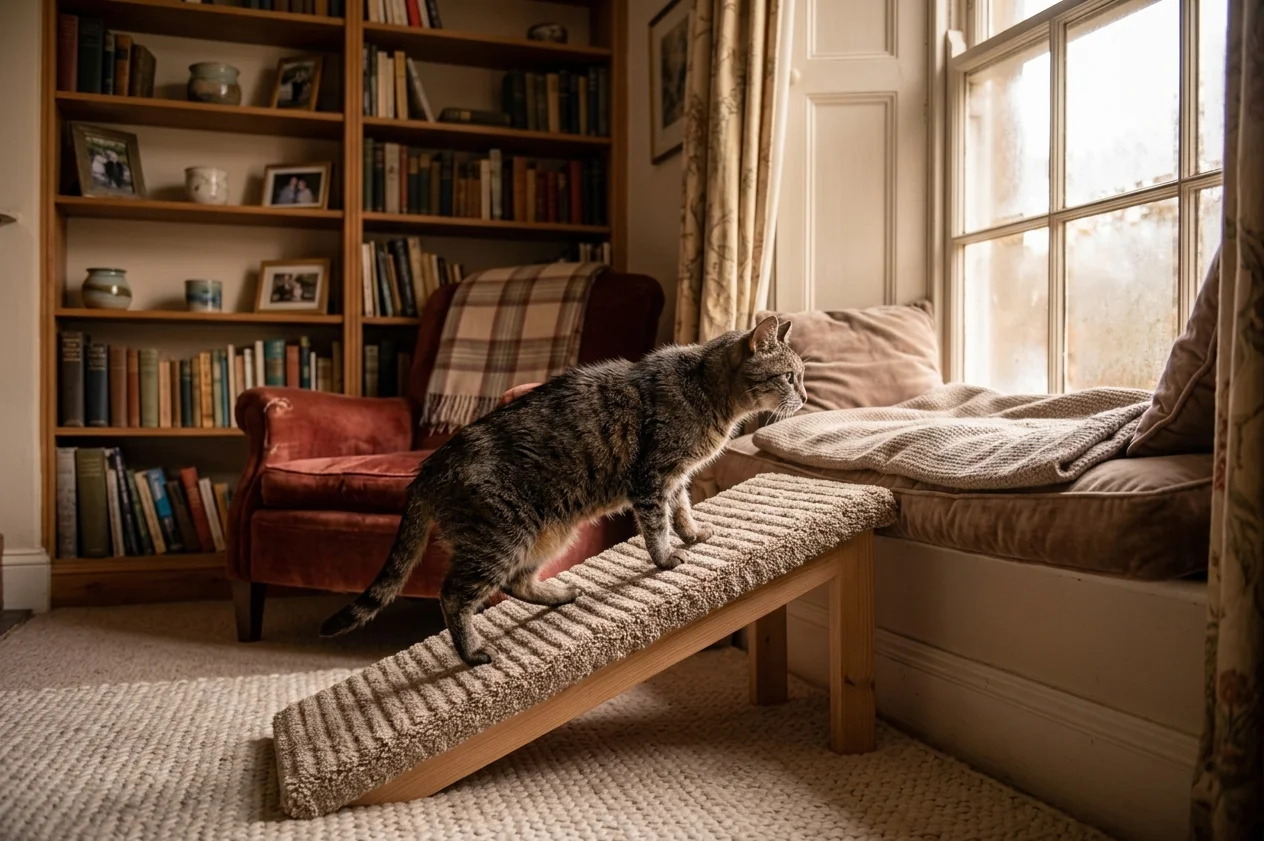
Arthritis is one of the most commonly overlooked problems in older cats. Cats rarely limp dramatically. Instead, pain may appear as a refusal to jump onto a favorite chair, hesitation on stairs, less grooming, irritability when handled, or sleeping in a new location because it is easier to reach.
A cat that no longer climbs to a window may not have “lost interest.” She may be protecting a painful joint. A cat that stops using a scratching post may be struggling to stretch or stand comfortably.
Do not give human painkillers. Many common medications are dangerous or fatal to cats. Your veterinarian can assess pain and discuss safe treatment, weight management, joint support, and environmental changes.
At home, place rugs over slippery floors, add a ramp or stable steps to favorite resting places, and provide a warm bed that is comfortable but not hot. Keep food, water, and litter boxes on the floor or on the level your cat uses most. Gentle daily play helps preserve movement and muscle, but it should be adapted to your cat’s ability rather than forced.
Make the home easier to navigate
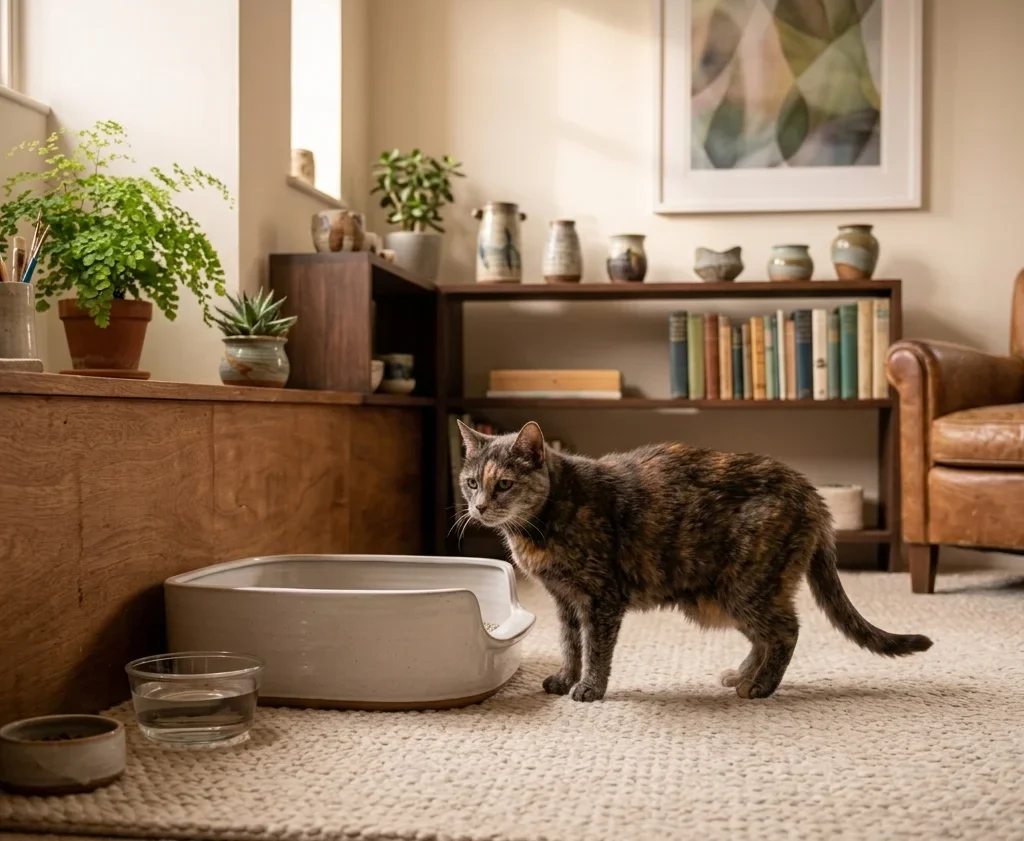
A senior-friendly home does not need to look like a hospital. Small adjustments can make a significant difference.
Choose litter boxes with low entry points. Older cats may climb into a high-sided box to urinate but struggle when they need to squat or turn. Place boxes on every level of the home and near the areas where your cat spends most of the day. Litter box accidents should still be investigated medically; they are not usually spiteful behavior.
Keep furniture, food bowls, water stations, and litter boxes in predictable places. A cat with declining vision or cognitive changes can become disoriented when familiar objects move. Nightlights may help cats navigate dark hallways.
If another pet guards food or water, provide separate stations so your senior cat can eat and drink without competition. Give her a quiet retreat where she can sleep without being disturbed.
Protect teeth, skin, and coat
Dental disease can make eating painful and may contribute to poor general health. Watch for foul breath, drooling, dropping food, chewing on one side, suddenly preferring wet food, or reluctance to eat.
Your veterinarian can recommend a dental-care plan, which may include home brushing, dental products, or a professional cleaning and oral examination. Use toothpaste made for cats; human toothpaste is not appropriate.
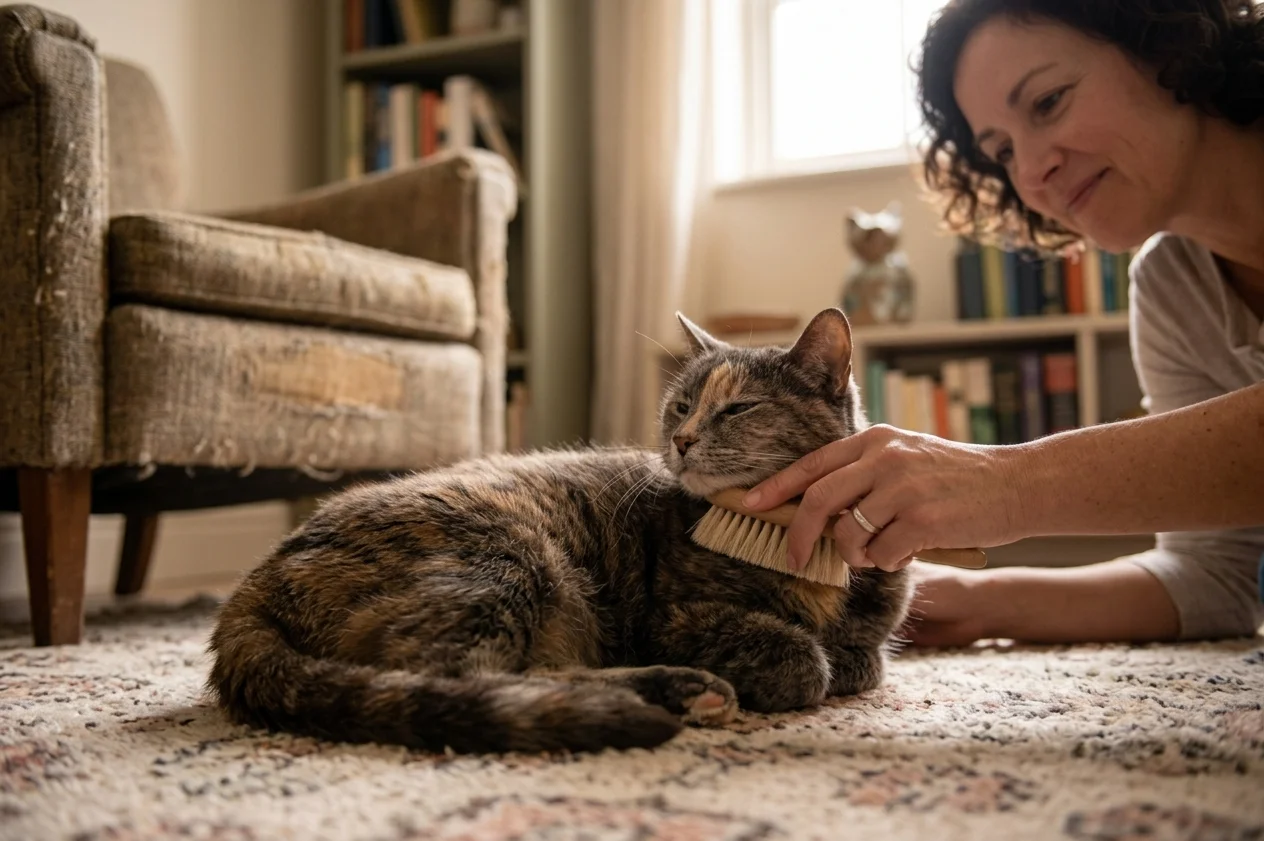
Older cats may groom less effectively because of arthritis, dental discomfort, obesity, weakness, or cognitive decline. Their coat can become greasy, matted, or dull. Gentle brushing helps remove loose hair and allows you to notice lumps, scabs, wounds, fleas, or skin growths. Long-haired cats may need more frequent help.
A sudden loss of grooming is not simply cosmetic. It can be an early sign that your cat is painful or unwell. Nail overgrowth is another concern, particularly when a cat no longer uses scratching posts regularly. Ask your veterinary team to show you safe trimming technique if needed.
Support vision, hearing, and confidence
A cat with reduced hearing may meow more loudly because she cannot hear her own voice properly. A cat with poor vision may bump into furniture, hesitate in unfamiliar areas, or become startled when approached from behind.
Approach a hearing-impaired cat from the front and use gentle floor vibrations or a visible hand movement before touching her. If vision is poor, keep the home layout stable and avoid moving essential resources.
Sudden blindness, squinting, enlarged eyes, eye redness, or rapid vision changes require prompt veterinary attention. High blood pressure, kidney disease, thyroid disease, glaucoma, and other conditions can affect vision and may be treatable when recognized quickly.
Keep the mind active without overwhelming her
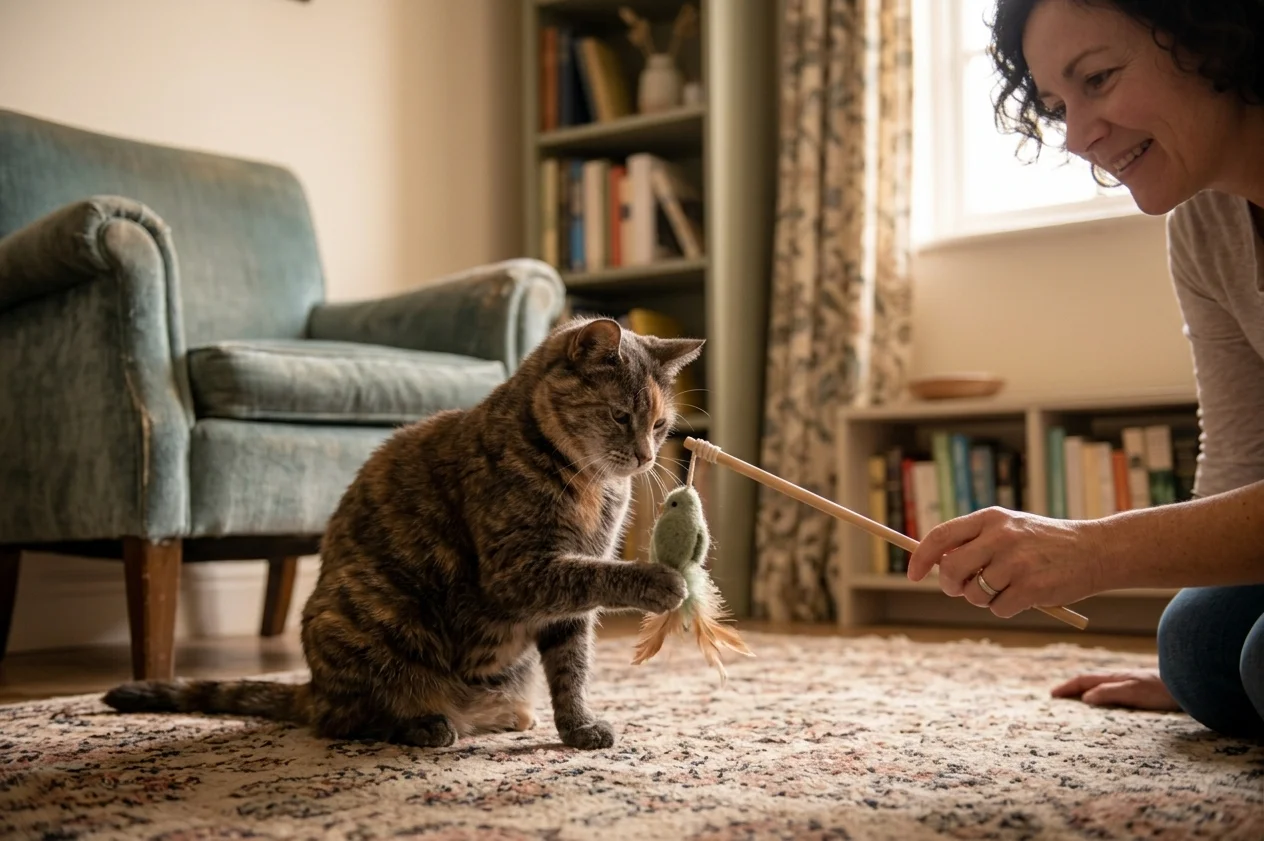
Senior cats still need enrichment, but their preferred games may change. A short wand-toy session, a soft toy to bat, a window perch with safe access, or a simple food puzzle can provide mental and physical stimulation.
Do not assume a kitten will “bring out the youth” in an older cat. A boisterous kitten may create stress, interrupt sleep, and compete for attention. If you add another pet, give your senior cat protected spaces, separate resources, and time to adjust.
Cognitive dysfunction may cause night vocalization, confusion, getting stuck behind furniture, altered sleep, litter box mistakes, anxiety, or unusual clinginess. Similar signs can also be caused by pain, urinary disease, dental disease, hyperthyroidism, kidney disease, or cancer, so a diagnosis should come before supplements or medication. Maintaining a predictable routine and providing gentle activity can support confidence while your veterinarian investigates the cause.
When should you call the vet?
Contact your veterinarian if your senior cat develops noticeable weight loss or gain, reduced appetite, repeated vomiting, persistent diarrhea, constipation, increased thirst, increased urination, poor grooming, bad breath, drooling, or difficulty chewing.
Mobility changes, repeated litter box accidents, hiding, weakness, breathing changes, coughing, new lumps, non-healing sores, sudden vision problems, seizures, or a major personality change also deserve attention.
Seek urgent care for difficulty breathing, collapse, inability to urinate, severe weakness, sudden blindness, repeated vomiting, or a cat that has stopped eating. The exact urgency depends on the situation, but waiting several days is not appropriate for these signs.
A comfortable old age is a shared project
The best senior cat care is not one expensive product or one special food. It is a pattern of small, thoughtful decisions: noticing a change, weighing your cat, keeping water accessible, making the litter box easier to enter, helping with grooming, offering gentle play, and attending regular veterinary appointments.
Some changes will be part of normal aging. Others will be treatable pain or disease. Your role is not to diagnose everything at home; it is to notice what is different and give your veterinarian useful information early.
With appropriate monitoring and a home designed around comfort, many senior cats continue to enjoy affection, sunlit naps, gentle play, and familiar routines for years. Growing older should not mean losing everything your cat loves. It means helping her reach those favorite things in a safer, more comfortable way.
Frequently asked questions
How old is a senior cat?
Many veterinary sources consider cats senior from around 10 or 11 years, while cats over 15 are often described as geriatric. The exact timing varies, so care should be based on age, health, and individual changes.
How often should a senior cat see a veterinarian?
Many senior cats benefit from examinations every six months. Cats with chronic disease or advanced age may need more frequent visits and laboratory monitoring.
Should I change my cat’s food when she becomes senior?
Not automatically. A healthy cat may do well on a complete adult diet, while a cat with kidney disease, diabetes, dental problems, or weight changes may need a specific nutritional plan. Ask your veterinarian before changing diets.
Why is my old cat losing weight?
Weight loss can result from dental pain, kidney disease, hyperthyroidism, diabetes, gastrointestinal disease, cancer, or reduced appetite. It should be checked rather than dismissed as normal aging.
How can I help my senior cat with arthritis?
Use low-entry litter boxes, non-slip mats, ramps or steps, warm resting areas, and gentle play. A veterinarian can diagnose arthritis and recommend safe pain management. Never give human pain medication.
Why is my senior cat missing the litter box?
Pain, arthritis, constipation, urinary disease, kidney disease, diabetes, cognitive changes, or difficulty reaching a high-sided box can all contribute. Provide easy access, but arrange a veterinary examination to find the cause.
Is sleeping more normal for older cats?
Senior cats often sleep more, but a sharp increase in sleeping, reduced interaction, weakness, or loss of interest in food and play may indicate illness or pain. Look at the whole pattern rather than one behavior alone.
What is the most important senior cat care tip?
Do not assume new changes are simply old age. Regular examinations and early attention to appetite, weight, thirst, grooming, mobility, and litter box habits can protect your cat’s comfort and quality of life.
