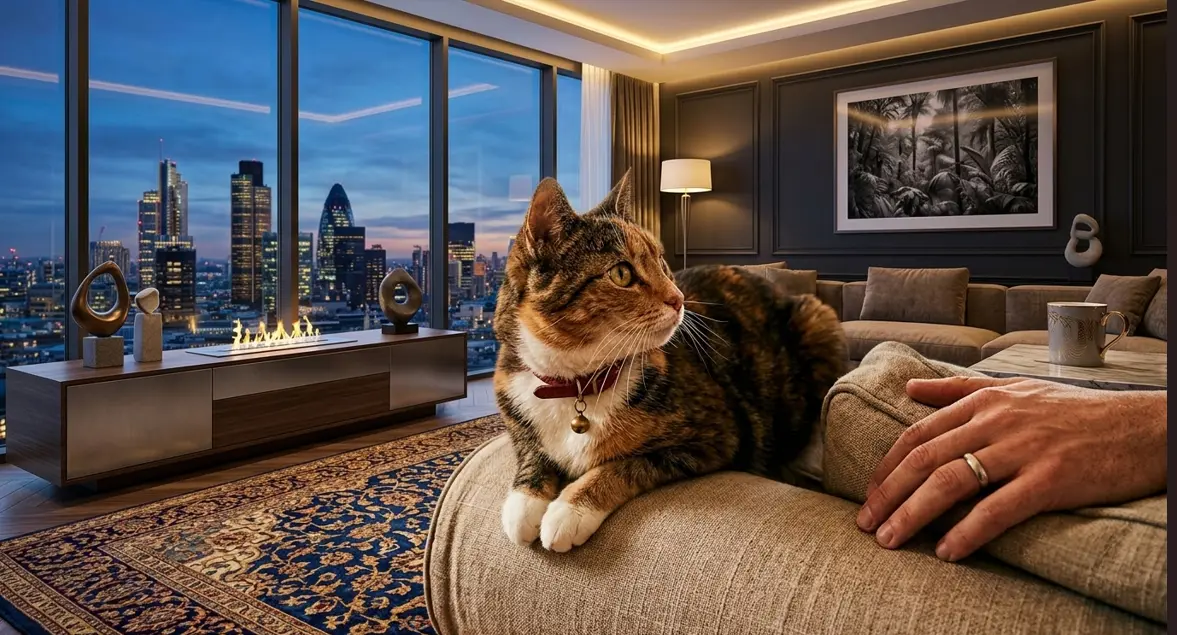
If your cat stares at you, the behaviour usually means something . Cats rarely waste energy on random behaviour, especially prolonged staring. A stare can show hunger, curiosity, affection, alertness, or discomfort, depending on the situation and the rest of your cat’s body language.
What a Cat Stare Really Means
A cat’s stare is part of feline communication. Cats use their eyes, ears, tail, posture, and movement to express how they feel. Organisations such as International Cat Care note that eye contact must always be interpreted alongside ear position and overall posture. That means the stare alone is only one clue, not the full answer. A soft stare can suggest trust or interest. A hard stare can suggest tension or focus.
Why Cats Stare at Their Owners
Food-seeking behaviour
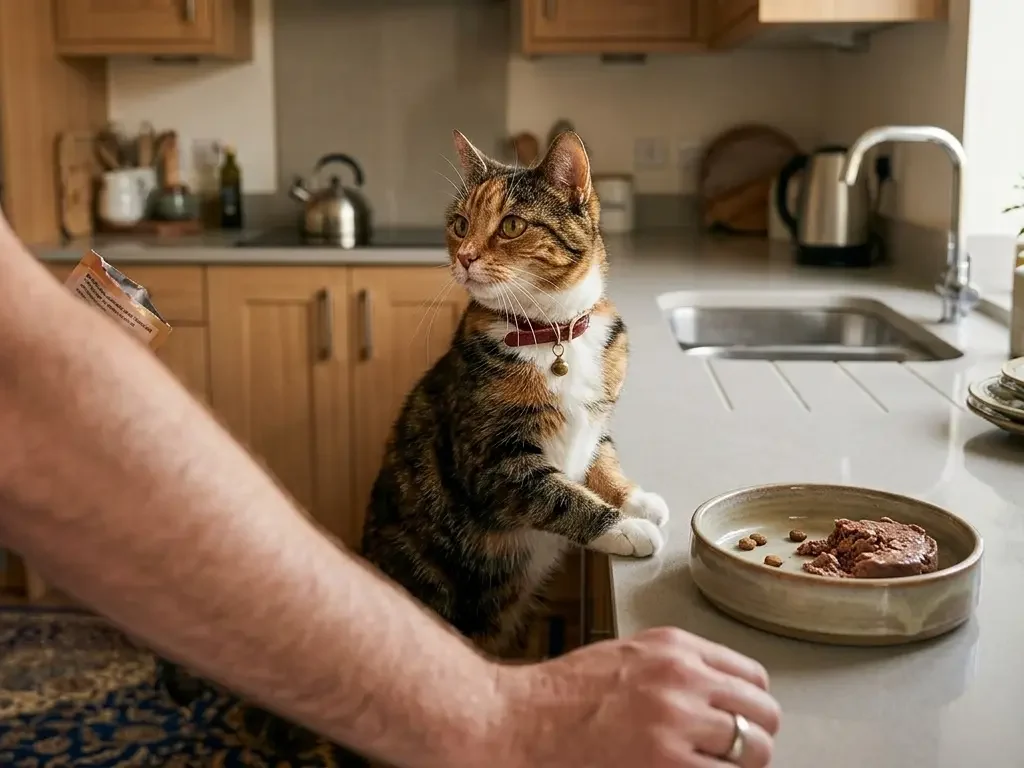
Many cats stare because they want food. If the stare occurs near mealtime, the kitchen, or the food bowl, hunger is a strong possibility. Some cats also stare to remind you that their stomachs have a better sense of time than your alarm clock.
Attention and social bonding
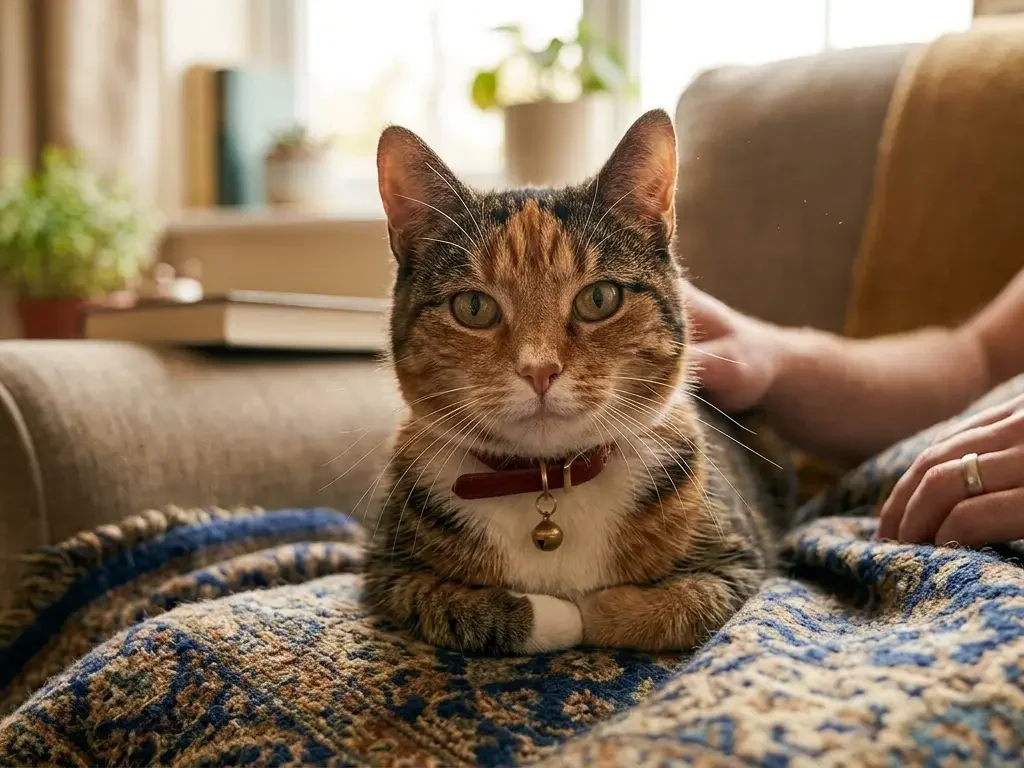
Cats also stare when they want interaction. They may want petting, playtime, or simply your company. A calm stare with soft eyes often signals comfort and trust. Cats that feel especially safe may even choose to sleep directly on their owner’s chest
Curiosity and environmental monitoring
Cats are natural observers. They watch doors, windows, moving objects, and human routines very closely. If your cat stares while you move around the house, it may simply be tracking your activity and checking whether something interesting is about to happen.
Hunting instinct and motion tracking
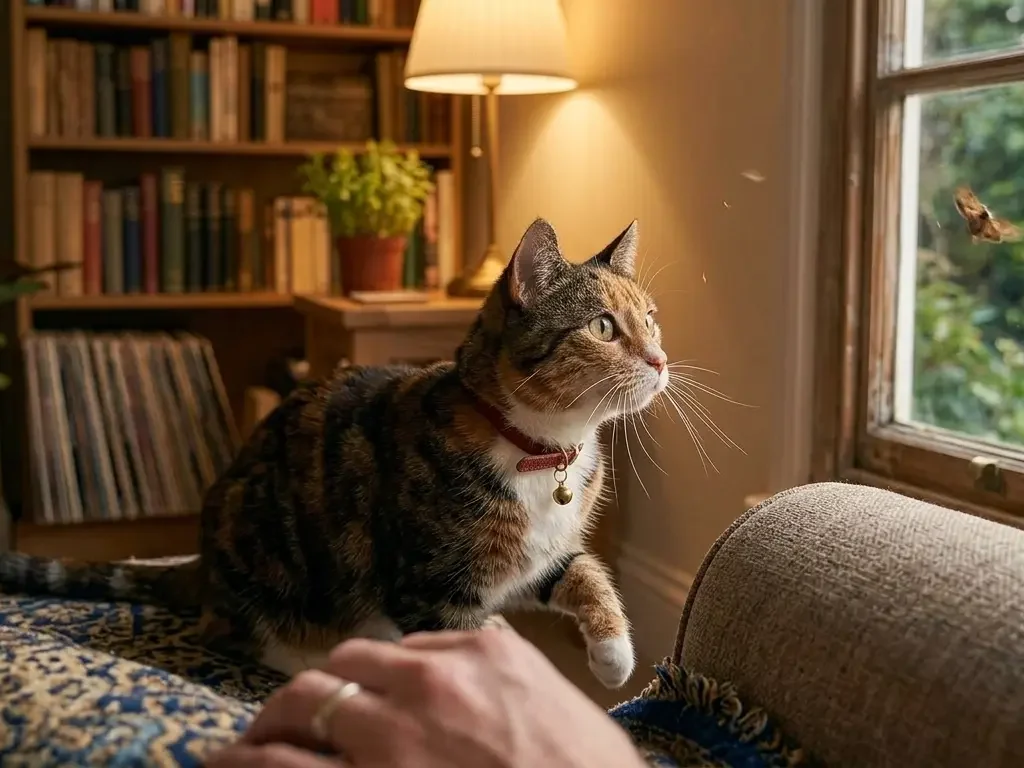
Cats are predators, so movement grabs their attention fast. A focused stare often appears when the cat notices a toy, insect, shadow, or even your hand. In that moment, the stare reflects hunting behaviour rather than emotion.
Anxiety, irritation, or defensive behaviour
Not every stare is friendly. If the stare looks intense and the cat seems stiff, your cat may be uncomfortable or on alert. Flattened ears, tight whiskers, a rigid body, or a twitching tail can all suggest the cat wants space.
Reacting to hidden sounds or movement
Sometimes your cat is staring at you only because you are near the real trigger. The real target may be a small sound, a reflection, or a movement near a wall or window. Cats notice details that humans often miss, so what looks like “staring at nothing” usually is nothing to them.
How Body Language Changes the Meaning
| Stare Type | Likely Meaning |
|---|---|
| Soft eyes + slow blink | Trust/affection |
| Fixed stare + stiff body | Alert/stress |
| Stare + meow | Request (food/play) |
| Stare at wall | Hidden sound/movement |
Soft eyes, slow blinking, and relaxed posture
A soft stare usually looks calm, loose, and friendly. If your cat blinks slowly or keeps its body relaxed, the stare often means trust, comfort, or quiet attention. This is one of the clearest signs of positive feline communication. Many cats combine slow blinking with gentle headbutting to strengthen that bond.
Fixed stare, stiff body, and tail tension
A hard stare looks different. The cat may freeze, hold still, or keep its tail tense. That kind of body language often shows focus, stress, or irritation rather than affection.
Ear position, whisker direction, and facial tension
Ears pointed forward usually show interest. Ears turned back can show discomfort or annoyance. Whiskers pushed forward often show alertness, while a tense face or tight mouth can mean the cat is not relaxed. When these signs appear with staring, the meaning becomes much clearer.
Real Life Observation from Cat Owners
Many cat owners notice that their cats stare at them during ordinary daily moments, especially when they are waking up, eating, working, or sitting quietly. In real life, this behaviour often feels personal because the cat seems to be watching the owner very closely.
Most of the time, the stare points to something simple: the cat wants attention, food, or reassurance. Sometimes the stare is soft and calm, which usually feels like trust. Other times, it is sharp and unblinking, which usually means the cat is focused, alert, or mildly annoyed.
This is my personal experience: My cat comes and sits next to me, staring at me as if she is about to attack me. But she never does. Instead, she simply wants me to pet her or give her her favourite food.
When Staring Is Normal
Cat staring is usually normal when your cat seems healthy, calm, and behaviorally steady. If the staring happens during routine moments like sitting, eating, resting, or watching the room, it may simply be part of normal cat communication. Many cats also stare when they want attention, and that alone is not a problem.
When Staring May Signal a Problem
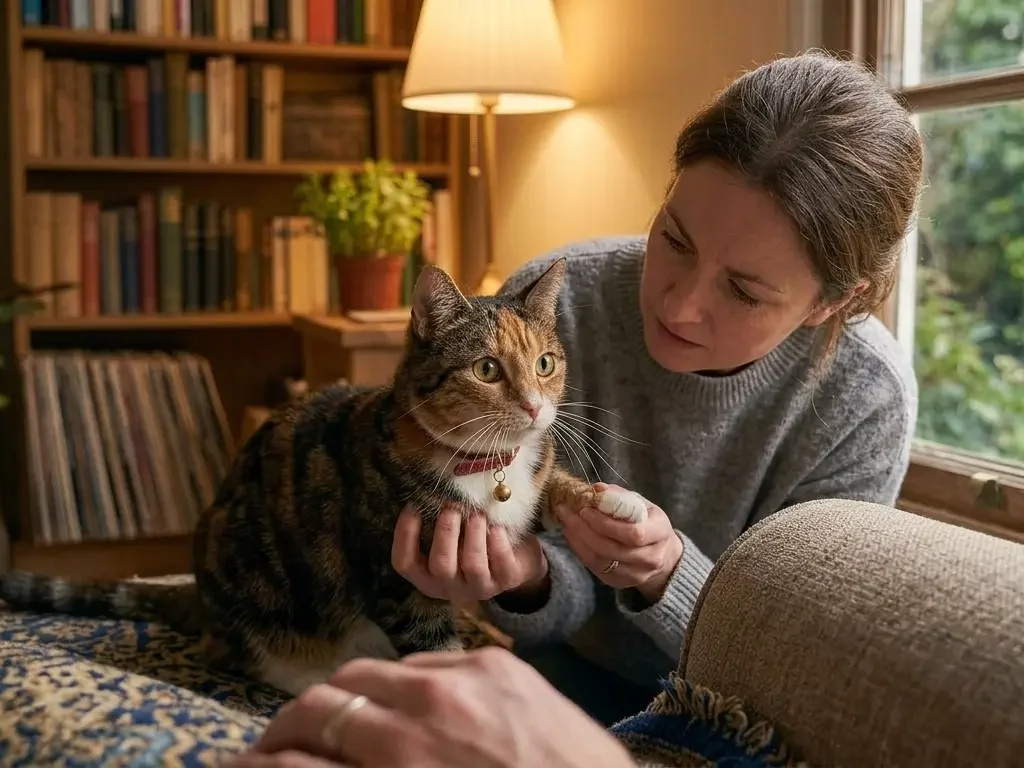
You should pay closer attention if the behaviour appears suddenly or is accompanied by other changes. For example, if your cat begins staring more often, hides, eats less, seems confused, or acts differently, the change may need attention. Behaviour shifts matter more than a single stare. Stress-related behaviour can sometimes show up in litter box changes as well
If the staring is accompanied by signs such as pain, vomiting, weakness, aggression, or a major personality change, a veterinarian should examine the cat. The American Veterinary Medical Association advises that sudden behavioural changes should always be evaluated alongside physical symptoms. That is especially important if the behaviour is new and does not match your cat’s usual pattern.
What You Should Do
Your response should match the meaning of the stare. If the cat looks calm, slow blinking and a soft voice are good choices. If the cat seems hungry, feed on schedule instead of reinforcing random staring as a strategy.
If the cat looks tense, do not force eye contact or touch. Give it room, reduce the trigger if possible, and let the cat settle. The best response is usually calm, consistent, and based on the whole situation rather than the eyes alone.
Conclusion
A cat stare is usually normal communication, not mystery theatre. It can mean hunger, affection, curiosity, alertness, or discomfort, depending on the accompanying body language. If you read the eyes together with the ears, tail, posture, and context, the message becomes much easier to understand. The key is not the stare itself, but the context around it.
Frequently Asked Questions (FAQ)
Why does my cat stare at me while I sleep?
Your cat may be watching your movement, waiting for you to wake up, or simply observing you because you are still. Some cats also stare because they want breakfast or attention.
Why does my cat stare at me and meow at night?
That usually means your cat wants something specific. Food, play, access to a room, or interaction is a common reason.
Should I stare back at my cat?
A soft gaze with a slow blink is usually fine. A hard stare is not a good idea if your cat already looks tense or alert.
Why does my cat stare at nothing?
Cats often notice tiny sounds, movement, or reflections that people miss. What seems like nothing to you may be meaningful to your cat.
