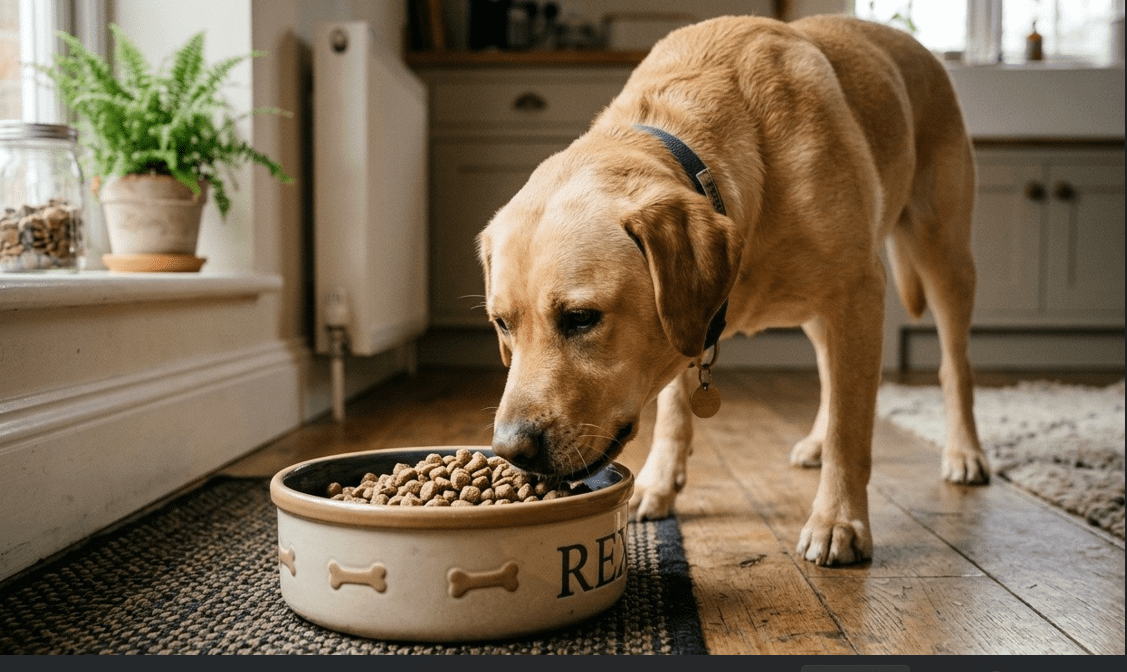
Your dog may growl, squirm, eat quickly, or snap when you approach his bowl. And most owners either ignore it, take away food to “show dominance,” or go to a dog trainer without knowing what training actually involves.
What Food Aggression Actually Is
It’s resource protection, where the dog is protecting something it considers valuable, and in its mind that threat is you.
This is not dominance. Modern animal behavior science clearly states that food aggression is fear based the dog thinks his food is in danger, and he thinks that danger is you. Growling, snapping, or biting is not a show of strength, but a warning signal.
It exists on a spectrum:
- Mild: Body stiffens, eats faster when someone approaches, hard stare
- Moderate: Growling, showing teeth, snapping without contact
- Severe: Biting, guarding empty bowls or kitchen areas, guarding unpredictably
This behavior tends to get worse without intervention. A dog that is showing mild symptoms today will, if nothing changes, start showing moderate symptoms in six months.
The First Signal Most Owners Miss
A growl is usually preceded by a hard stare sometimes called a “whale eye,” where the whites of the dog’s eyes are visible as they track movement near the bowl without turning their head.
This is an early warning signal. Most people ignore it because it’s so subtle and by the time the growl comes, the dog has already been anxious for some time and no one has responded to its earlier cues.
Watch for these in order:
- Eating faster when someone walks near
- Body freezing or stiffening over the bowl
- Hard stare or whale eye
- Low growl or lip curl
- Snap or lunge
The growl itself isn’t the problem the growl is actually the dog telling you: “Back off” before you move forward. When you punish that growl, you’re not reducing the dog’s internal anxiety you’re simply shutting down its warning system. The result? A dog that stops growling goes straight from growling to biting, with no warning in between.
The same pattern is seen in leash reactivity and pulling behaviors .when you suppress the warning signal, you lose the only means of communication. The dog was trying to tell you that he was anxious.
Genetic vs Learned: Why It Matters
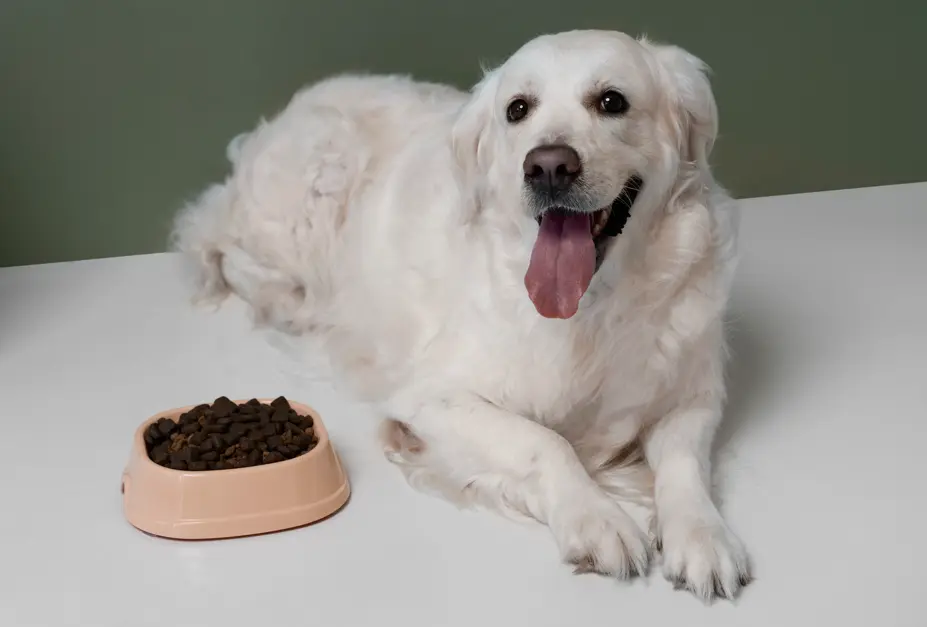
Not all food aggression is the same and how you address it will make a difference.
In some dogs, food guarding appears limited primarily to mealtimes and may have a stronger genetic component. The dog is otherwise fine friendly, calm, no other behavioral issues. It’s an evolutionary trait where the drive to protect food sources has helped dogs survive. It can be managed well, but it rarely goes away completely.
Learned food aggression usually has a broader pattern the dog also guards other things, such as toys, places, people. Or the behavior starts after a specific event, such as aggressively approaching a mealtime, a fight with another dog, or a period of food deprivation at the rescue. This type responds better to training because it’s a learned behavior of the dog, not an innate instinct.
If your dog came from a shelter or rescue, a history of food deprivation is a common cause Similar patterns are seen in dogs struggling with resource insecurity or separation anxiety.
. where food is abundant, because the body doesn’t know that conditions have changed.
What Actually Works at Home
These methods are for mild to moderate food aggression. If your dog has bitten someone, skip this section and go to the “Professional Help” section below.
The add to the bowl method
Put a small amount of food in the bowl. As soon as the dog finishes, calmly approach from the side and put something better in it . a piece of chicken or a high-quality snack. Then step back. This teaches the dog that your approach brings something special, rather than taking away the food. Do this method for two weeks at each meal before expecting results.
Distance desensitization
Stand far enough away that the dog can see you but still eat calmly perhaps ten feet at first. Throw a treat toward the bowl, then take a step closer over the next several days. And only move forward when the dog eats without any stress. This is slow work; Rushing will ruin progress.
Exchange Techniques
When a dog is guarding something, offer him something better before he reaches for it. Say “exchange,” show him the better thing, let him have it, then calmly take the original thing back. Never reach over your dog’s head approach from the side, sit at his level, and keep your body language neutral.
What not to do:
“Tell him who’s boss” by taking away food . This teaches your dog that you are the exact threat he suspected, and the behavior worsens. This method is outdated and counterproductive.
Punish him for growling This shuts down your early warning system. The anxiety behind the behavior remains, but the connection is lost and then the bite comes without any apparent warning.
Multi Dog Households
In multi dog households, food aggression is often triggered by competition , not because a dog is already aggressive.
One dog eats quickly, the other watches, the fast eater starts guarding, and the slow eater may start guarding in response, so feed the dogs separately, not separate bowls in the same room, but in different rooms, because watching another dog eat is enough to trigger guarding behavior in some dogs .In some households, this tension spills over into excessive barking or reactivity between dogs.
The order of feeding is also important if a dog is clearly more anxious about eating, feed the less reactive dog first, reducing the anticipated anxiety before holding the bowl.
When You Actually Need a Dog Trainer for Food Aggression
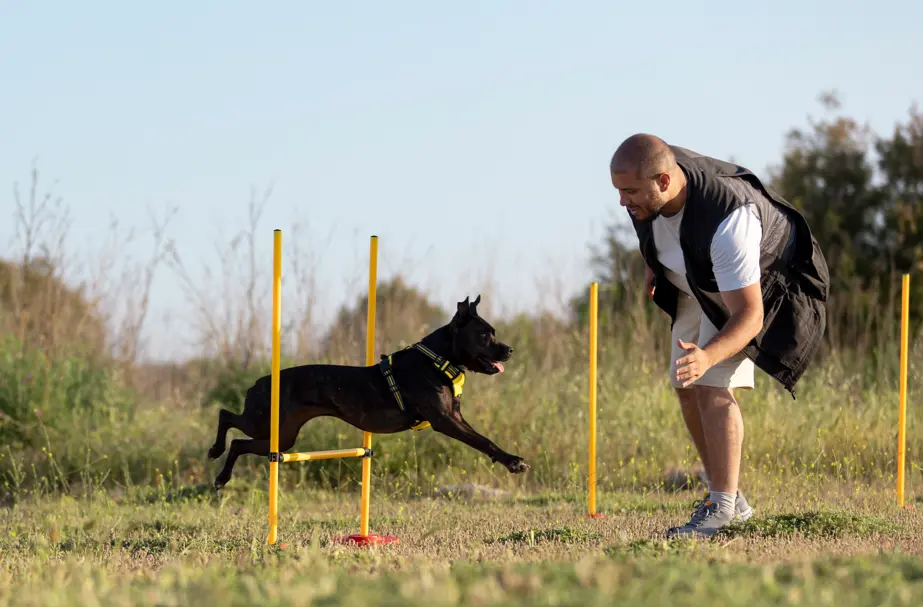
These methods are not appropriate if the situation is serious, and trying them could put people at risk.
Get a professional involved if:
- Your dog has bitten someone even just once. Because biting means a boundary has been crossed and it is possible.
- You have children in the home because children act unpredictably and cannot reliably read warning signals, and the risk is too high without professional guidance.
- Behavior is deteriorating despite 2-3 weeks of consistent effort
- Your dog is protective of multiple objects, such as toys, Places, people
- You feel apprehensive around your dog at mealtimes
- The dog guards empty bowls, kitchen prep areas, or places where food is kept, which indicates anticipatory guarding and is usually more complex to address.
A food aggression trainer will directly observe body language something no guide can accurately predict and tailor a plan based on your dog’s motivations and history. Look for CCPDT or IAABC certified trainers who use positive reinforcement and behavior modification methods.
And avoid trainers who use dominance based corrections or physical threats to protect resources as these methods increase the dog’s anxiety and make the behavior worse.
Realistic Progress Timeline
Weeks 1-2: Growling decreases, dog tolerates you at a distance without stress, shows small signs of relaxation at mealtime.
Weeks 3-6: You can approach the bowl without defensive behavior, dog accepts treats placed in the bowl, eats calmly with people in the same room.
Long-term: Dog eats calmly with normal household activities, no defensive reaction when approached, no reaction to unexpected interruptions.
“Complete” means ongoing management for most dogs, not permanent treatment a consistent feeding schedule, never free feeding, and occasional treats in the bowl keep the new bond strong. Some dogs, especially those with a genetic predisposition, need this structure for life.
Conclusion
Dogs who bite for food rarely bite without warning: First there’s a growl, a hard stare, a low growl and someone either ignores it or tries to punish it. Understanding these cues is where safe management begins.
If the behavior is mild, the methods in this guide give you a clear starting point. If your dog has already progressed to snapping or biting, or if you have children in the house, a certified dog trainer for food aggression is optional . it’s the responsible next step.
Frequently Asked Questions
Can food aggression be trained out of dogs?
In most cases, yes. Learned food aggression responds well to permanent behavior change, and genetic food aggression can be reliably managed so that it doesn’t cause problems. However, basic instincts usually remain. The goal is for the dog to behave safely around food not necessarily to the point of being completely unnerved when someone approaches.
Why does my dog suddenly have food aggression?
A sudden onset of food aggression in a previously calm dog usually has a medical cause. Teething pain can make eating uncomfortable, leading to defensive behavior around the bowl. Digestive problems, joint pain, or hormonal changes can also increase irritability at mealtimes. If this behavior occurs without an obvious behavioral cause, see a vet before starting training.
Is food aggression a sign of dominance?
No , this is a common misconception that leads to counterproductive training. Food aggression is born out of fear and anxiety, not a desire to be above humans. Methods that emphasize dominance, food snatching, alpha roles, or confrontational handling these increase fear and make the behavior worse.
How long does food aggression training take?
Mild cases usually improve in 2-4 weeks with consistent daily work; moderate to severe cases, or dogs with a history of bites, usually require 6-12 weeks of structured professional training. Some dogs require lifelong management despite progress.
