
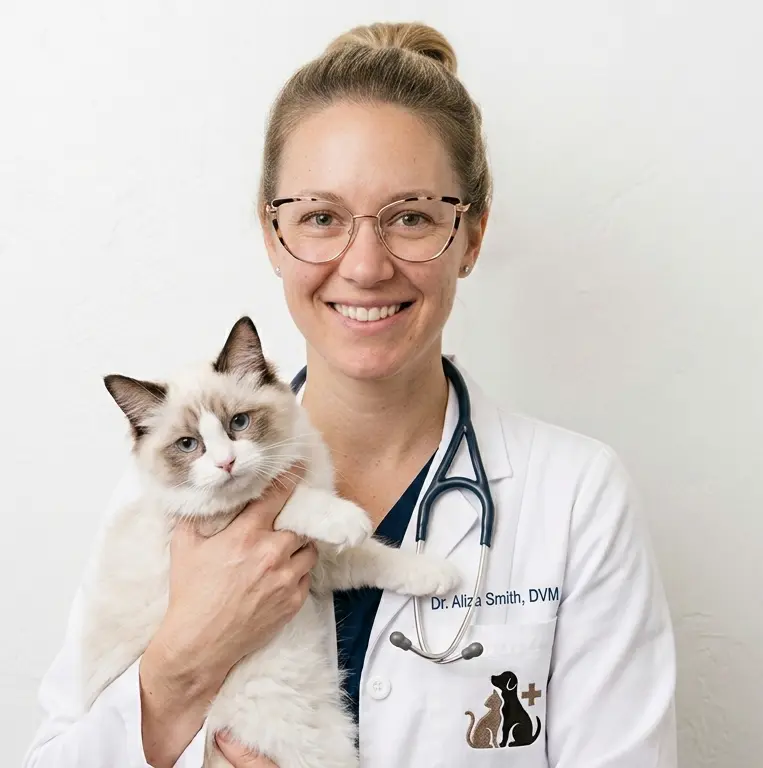
If you are bringing home a kitten, or watching a much-loved cat enter old age, it is natural to wonder how many years you may have together. Most pet cats live somewhere in the early teens to late teens, and many well-cared-for cats reach 20 years or more. However, there is no single lifespan that applies to every cat.
A cat’s life expectancy is shaped by lifestyle, genetics, nutrition, body weight, reproductive status, preventive care, and exposure to injury or disease. The quality of veterinary care and the way a cat’s environment changes over time also matter. In practical terms, your goal should not be to chase a record age. It should be to give your cat as many comfortable, active, and enjoyable years as possible.
How long do cats usually live?
A realistic general estimate for a domestic pet cat is around 12–17 years, although individual studies report different averages. Some cats live into their late teens, and a smaller number reach their early twenties. Exceptional cases can live far longer, but they are not a normal expectation.
You may see one source report an average of 11.7 years, another 12 or 14 years, and others give a range such as 13–17 years. These figures are not necessarily contradictory. They may come from different countries, years, cat populations, and methods of collecting data. A study of deceased cats, for example, will not measure the same population as a survey of living indoor pets.
The oldest recorded domestic cat, Creme Puff from Texas, lived to 38 years. That remarkable record shows what is biologically possible, not what most owners should expect from a healthy cat.
Why cat lifespan estimates vary
“Average lifespan” is a population statistic, not a prediction for one individual. Your cat’s outcome may be influenced by factors that are not represented equally in every study.
A country with widespread access to veterinary care may report different results from a region where many cats receive little preventive treatment. Indoor-only cats, free-roaming cats, shelter cats, purebred cats, and mixed-breed cats also face different risks.
The definition of the cat matters as well. A domestic cat is a companion species living with people. An indoor cat is described by lifestyle. An outdoor or indoor-outdoor cat has regular access to external hazards. A feral cat is an unsocialized free-living cat, often with limited access to food and veterinary care. These groups should not be treated as interchangeable when comparing lifespan.
For an owner, the most useful interpretation is this: many cats have the potential to live 15 years or longer, but safety, preventive care, a healthy weight, and early attention to illness can significantly influence how those years unfold.
Indoor, outdoor, indoor-outdoor, and feral cats
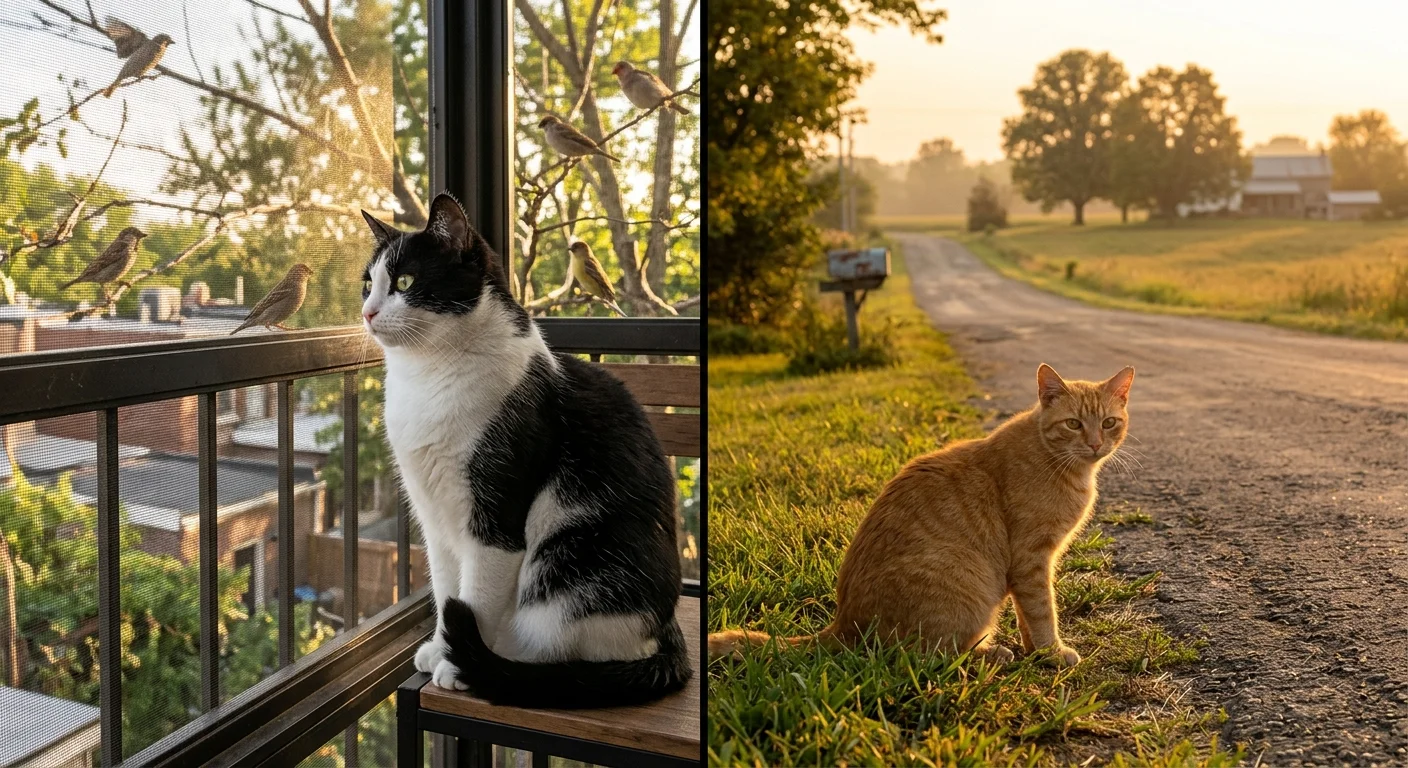
Indoor-only cats generally avoid many of the risks that shorten feline lives. They are less likely to be hit by vehicles, attacked by animals, exposed to certain infectious diseases, poisoned, or injured in territorial fights. They are also easier to observe, feed consistently, vaccinate, and bring for regular veterinary care.
Many sources place indoor-cat life expectancy broadly in the 13–17-year range, with some cats reaching 18–20 years or beyond. These figures are estimates, not guarantees. An indoor cat can still develop kidney disease, cancer, diabetes, heart disease, dental pain, obesity, or an inherited condition.
Outdoor cats may receive more exercise and environmental stimulation, but they also face hazards that cannot be completely controlled. Traffic, predators, fights, parasites, poisonous substances, harsh weather, and infectious diseases all create additional risk. Free-roaming cats may also become lost or stolen.
Feral cats typically have shorter lives because food insecurity, parasites, infection, trauma, and lack of medical care combine to make survival more difficult. Their lifespan should not be used as a direct comparison with a vaccinated, neutered, indoor pet cat.
If your cat enjoys outdoor stimulation, a secure catio, enclosed garden, or supervised harness walk can provide some of the benefits without the same level of exposure. An indoor cat still needs opportunities to chase, climb, scratch, explore, and solve simple food puzzles. Safety and enrichment should be planned together, not treated as opposites.
The life stages of a cat

Life-stage labels are useful because a cat’s nutritional, behavioral, and medical needs change over time. The age ranges are approximate, and different veterinary guidelines may use slightly different boundaries.
| Life stage | Approximate age | What to expect |
| Kitten | Birth to 1 year | Rapid growth, social learning, vaccination, and development |
| Junior or young adult | 1–6 years | Physical maturity, high activity, weight management, and preventive care |
| Mature adult | 7–10 years | Possible slowing, weight changes, dental wear, or early chronic disease |
| Senior | 10 or 11 years and older | Greater need for monitoring, dental care, mobility support, and screening |
| Geriatric | Around 15 years and older | Individualized care, closer observation, and quality-of-life planning |
During kittenhood, growth-formulated food, appropriate vaccinations, parasite control, safe socialization, and gentle play establish the foundation for later health. Avoid teaching kittens to attack hands; use toys instead, because playful bites become painful habits in adulthood.
Young adult cats may look healthy enough to skip checkups, but preventive care still matters. Weight gain, urinary disease, asthma, dental problems, and injuries can occur before old age. Establishing normal weight and laboratory values can make future changes easier to identify.
Mature cats may become less active and gain weight. A decline in play, jumping, grooming, or litter box habits should not automatically be dismissed as maturity. Arthritis, dental disease, kidney disease, thyroid disease, and digestive problems may begin subtly during this period.
Senior and geriatric cats benefit from more frequent health monitoring. Some remain playful and agile, while others need ramps, low-entry litter boxes, softer beds, or changes in feeding. Age should guide your attention, not define your expectations.
Cat years versus human years
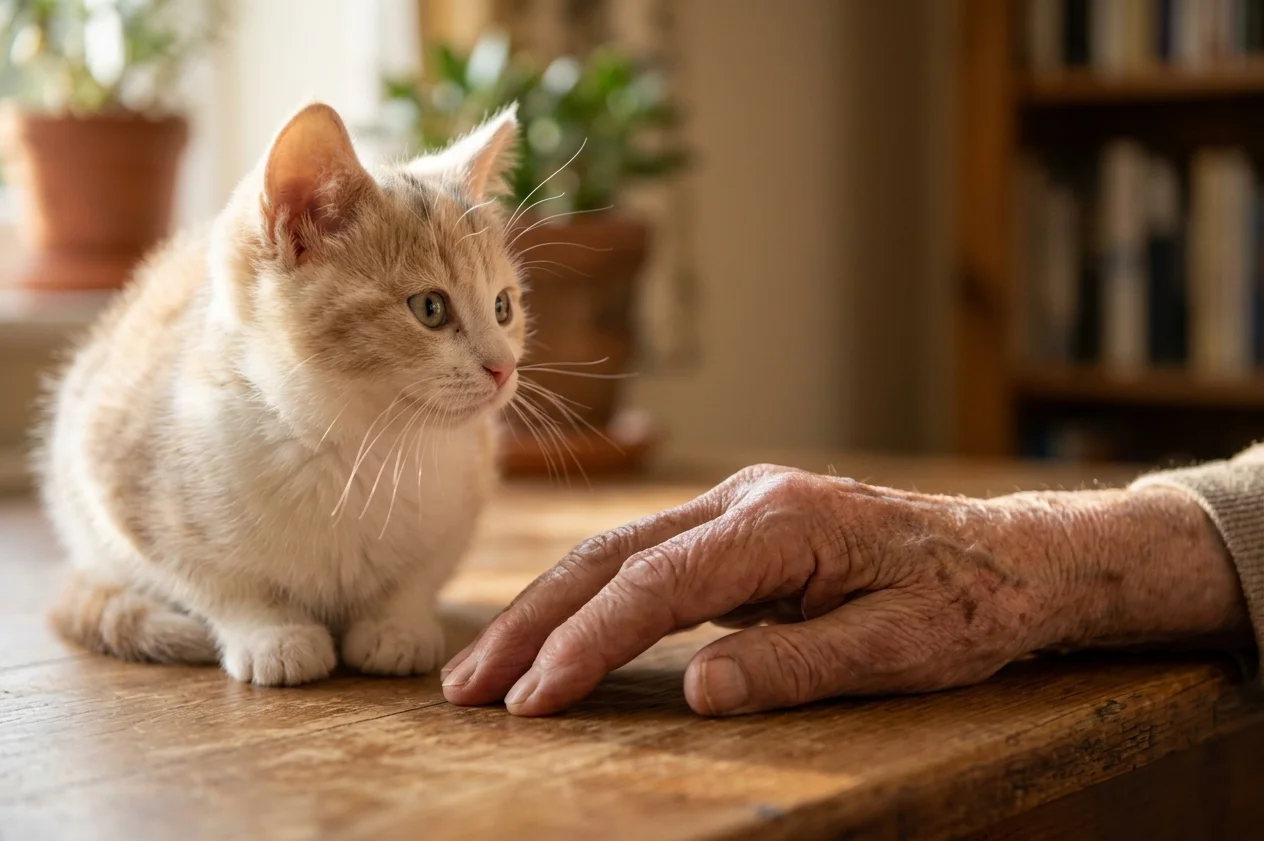
Cats mature rapidly during their first two years, so the familiar “one cat year equals seven human years” rule is not useful.
A commonly used estimate is:
| Cat’s age | Approximate human equivalent |
| 1 year | 15 years |
| 2 years | 24 years |
| 3 years | 28 years |
| 4 years | 32 years |
| 5 years | 36 years |
| 6 years | 40 years |
| 7 years | 44 years |
| 10 years | 56 years |
| 11 years | 60 years |
| 15 years | 76 years |
| 20 years | 96 years |
These numbers are a helpful way to picture life stages, not a medical calculator. A 12-year-old cat is not guaranteed to have the health of a particular human age. Breed, disease, mobility, weight, and previous care can make two cats of the same age biologically very different.
What really affects a cat’s lifespan?
Genetics and breed
Genetics can influence disease risk, body structure, metabolism, and resilience. Some purebred cats have inherited conditions that require screening, while mixed-breed cats may benefit from greater genetic diversity. That does not mean every mixed-breed cat will outlive every purebred cat.
Siamese, Burmese, Birman, Persian, and Russian Blue cats are often included in discussions of longer-lived breeds, but breed averages vary between studies. Maine Coon cats may be predisposed to hypertrophic cardiomyopathy, Persians to certain kidney or airway problems, and Ragdolls to heart disease. Responsible breeding and health screening can improve outcomes.
A tabby is not a breed. It is a coat pattern found in many breeds and domestic cats, so there is no single tabby lifespan.
Nutrition and healthy weight
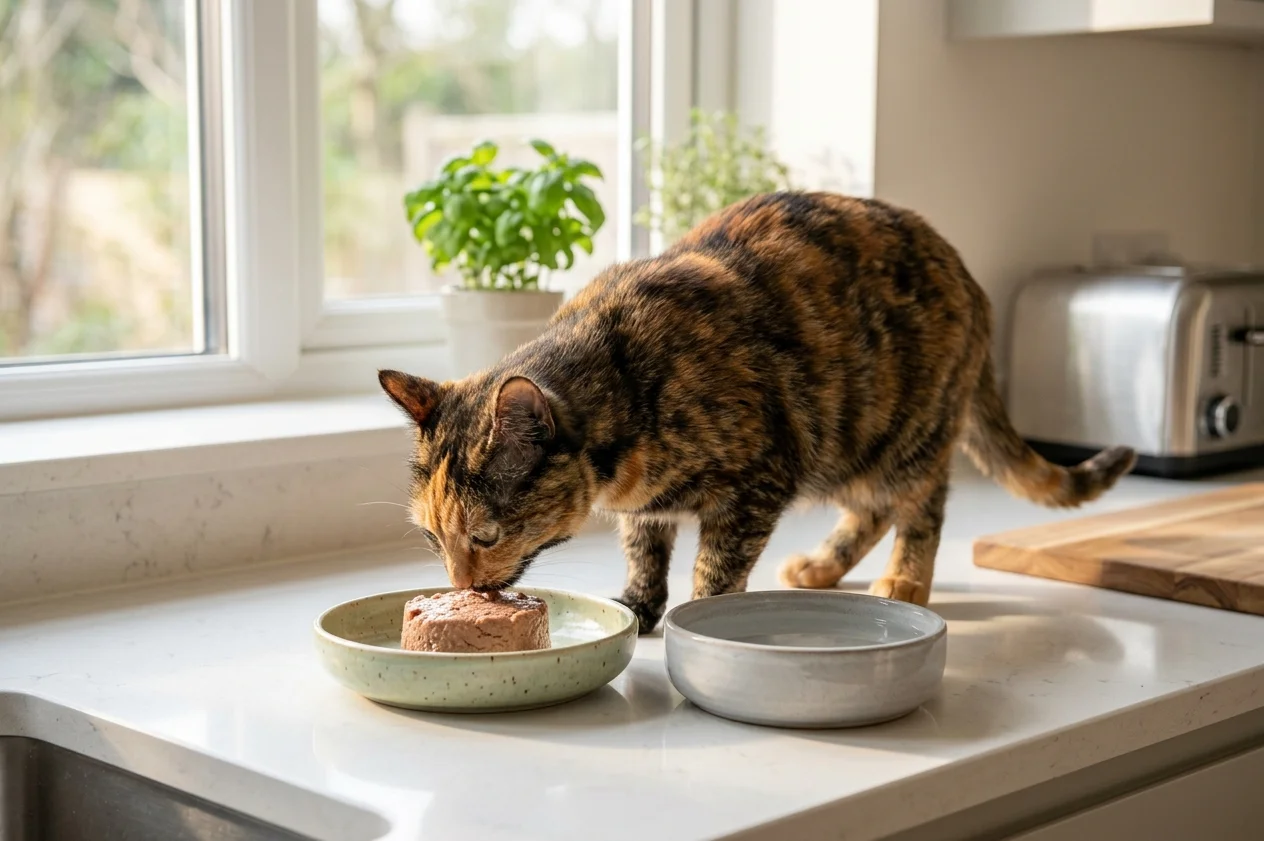
A complete and balanced cat food provides essential nutrients such as animal-based protein, taurine, vitamins, and minerals. The best diet depends on life stage, body condition, activity, and any diagnosed disease.
Obesity can increase the risk of diabetes, arthritis, heart problems, liver disease, and reduced mobility. Feed measured portions rather than continually topping up the bowl, especially in multi-cat homes where it is difficult to know who ate what.
Weight loss is equally important. A cat that becomes thin despite eating normally may have hyperthyroidism, diabetes, kidney disease, dental pain, gastrointestinal disease, or cancer. A cat that approaches food but does not eat may be nauseated or unable to chew comfortably. Unexplained weight change deserves a veterinary assessment, not just a new flavor of food.
Veterinary and preventive care

Cats hide illness extremely well. Routine examinations allow a veterinarian to detect changes in the mouth, eyes, heart, kidneys, thyroid, weight, blood pressure, and mobility before the problem becomes obvious at home.
Vaccinations should be based on your cat’s age, health, lifestyle, and local risks. Indoor cats may still need protection from important diseases. Parasite prevention should also be selected specifically for cats; never use a dog flea product unless your veterinarian confirms it is safe.
Senior cats may benefit from blood work, urinalysis, blood pressure checks, and other testing at intervals recommended by their veterinarian. Early diagnosis does not guarantee a cure, but it often creates more options for treatment and comfort.
Spaying or neutering
Spaying and neutering can reduce reproductive disease and may reduce roaming, fighting, and exposure to infectious disease. Spaying prevents pregnancy-related complications and eliminates the risk of uterine infection. Neutering can reduce hormone-driven roaming and territorial behavior.
Population studies often find that neutered cats live longer on average, but this does not mean the procedure guarantees a particular lifespan. The benefit is linked to several reduced risks, including reproductive illness and dangerous outdoor behavior. Discuss timing with your veterinarian based on the cat’s health and circumstances.
Dental health
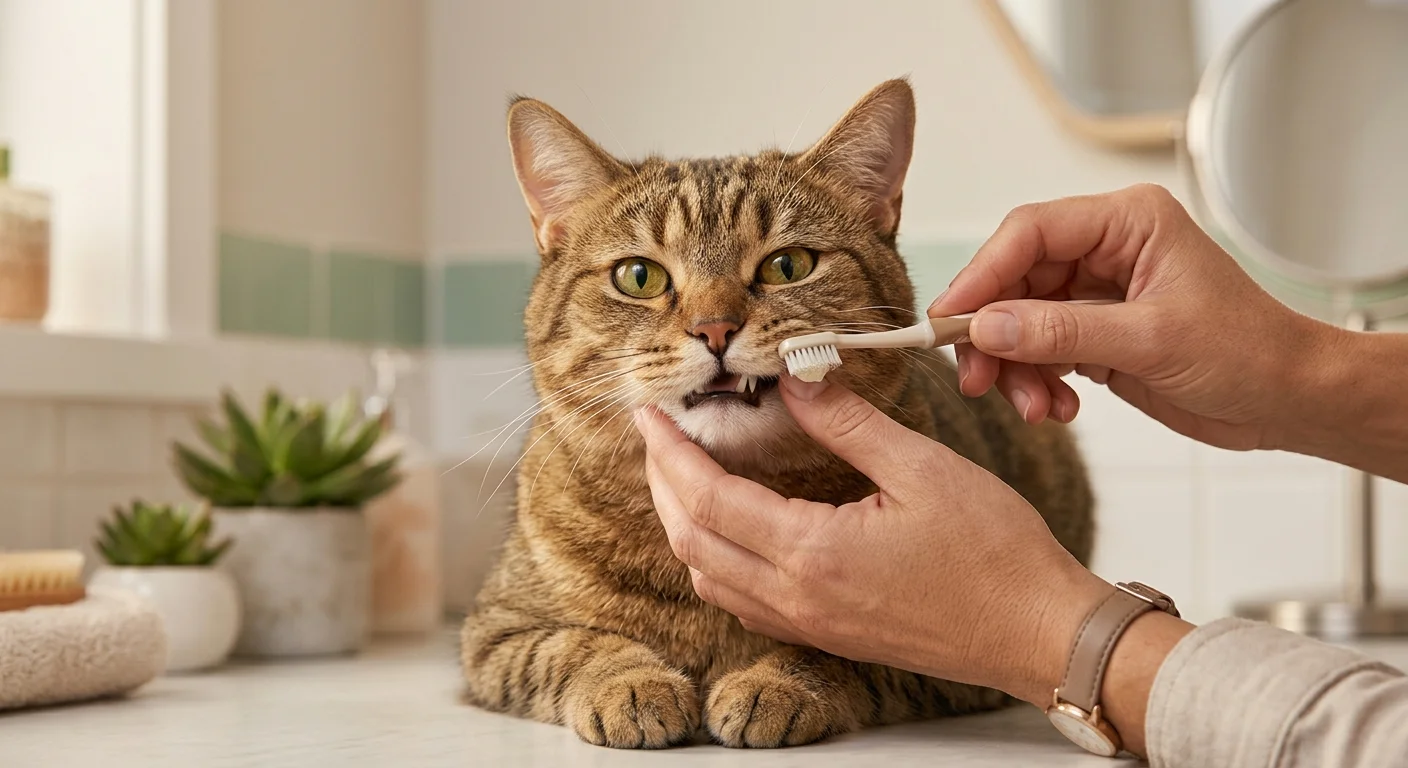
Dental disease is one of the most underestimated threats to a cat’s comfort. A cat may continue eating despite significant oral pain, so owners often notice the problem only when appetite declines or the cat begins dropping food.
Bad breath, drooling, chewing on one side, pawing at the mouth, choosing wet food over dry food, or losing weight may signal dental disease. Home brushing with cat-safe toothpaste can help some cats, but a veterinarian may need to perform a complete oral assessment and professional cleaning.
Exercise, enrichment, and stress

Indoor cats need daily opportunities for movement and hunting-style play. Wand toys, food puzzles, climbing spaces, scratching posts, and window perches can prevent boredom and help maintain muscle.
Stress also affects health and behavior. Sudden changes, conflict with other pets, insufficient resources, loud noise, or a lack of hiding spaces can contribute to anxiety and urinary or grooming problems. Provide separate food, water, litter, and resting resources when several cats share a home.
How to tell whether your cat is aging normally
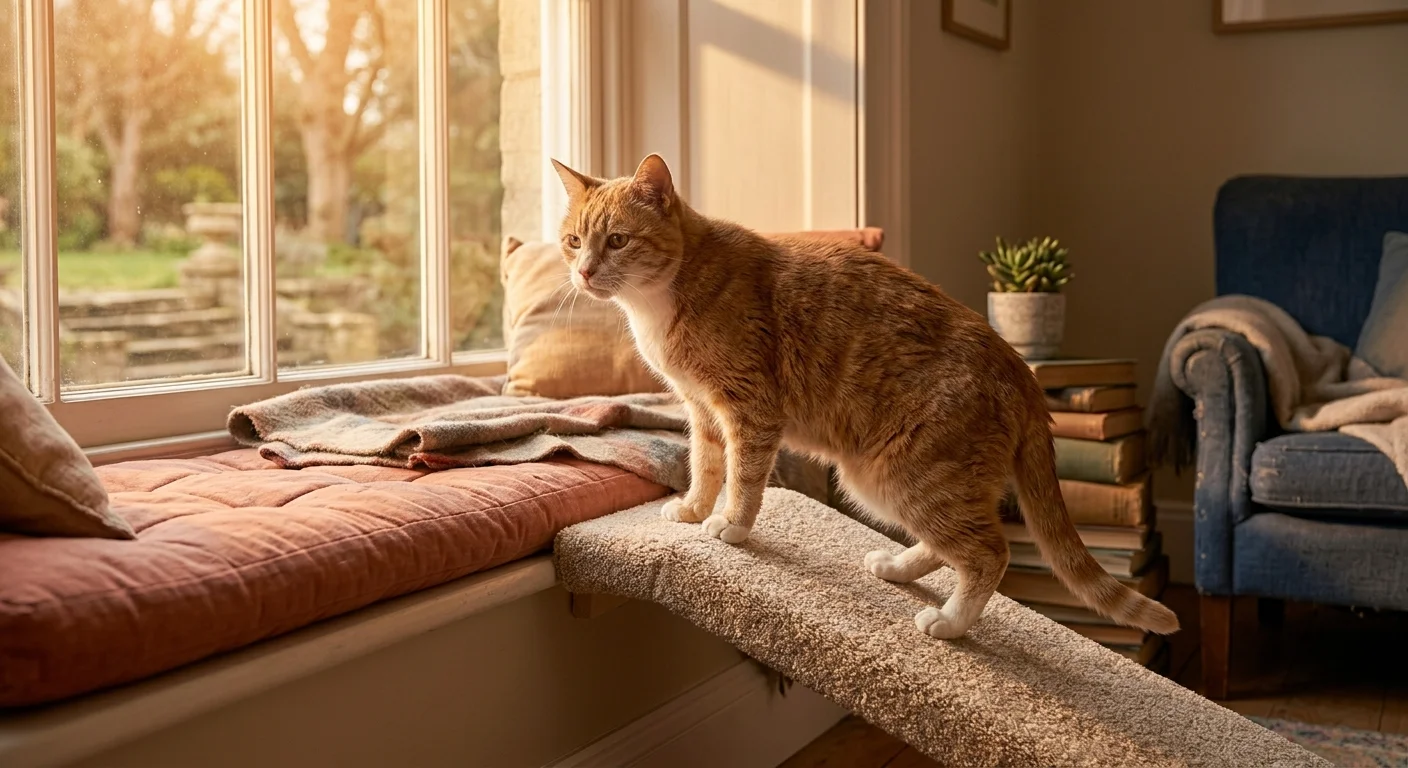
Some gradual changes are common: your cat may sleep longer, play in shorter bursts, or prefer a lower resting place. A slower pace can be normal when the cat still eats well, grooms, uses the litter box, interacts, and moves comfortably.
The pattern matters more than one isolated day. Track body weight, appetite, drinking, urination, stool, grooming, jumping, play, and social behavior. A short monthly check can reveal changes that are otherwise easy to miss.
A cat that stops jumping may have arthritis, not laziness. A cat that stops grooming may be painful, weak, obese, or nauseated. A cat that begins vocalizing at night may have cognitive decline, hyperthyroidism, hypertension, or another medical problem.
Signs that may indicate illness
Arrange a veterinary appointment if your cat develops gradual weight loss, increased thirst, changes in urination, reduced grooming, persistent bad breath, litter box accidents, less activity, repeated vomiting, diarrhea, or a clear change in personality.
Seek prompt care for difficulty breathing, collapse, severe weakness, inability to urinate, sudden blindness, seizures, repeated vomiting, or complete loss of appetite. Do not wait for a symptom to become dramatic before calling. Early treatment often offers better comfort and more choices.
Lifespan versus healthspan

Lifespan is the number of years a cat lives. Healthspan is the period during which those years are comfortable and meaningful. For many owners, healthspan is the more important goal.
A senior cat with controlled pain, a good appetite, clean fur, comfortable movement, normal litter habits, and interest in family life may have excellent quality of life even with a chronic diagnosis. When illness progresses, your veterinarian can help assess appetite, hydration, mobility, pain, grooming, enjoyment, and good days versus difficult days.
Quality-of-life conversations are not a sign that you are giving up. They are part of responsible, compassionate care when a cat’s comfort becomes difficult to maintain.
How to estimate an unknown cat’s age
If you do not know a cat’s birth date, a veterinarian can provide the best estimate. Teeth, eye appearance, coat quality, muscle mass, nails, and body condition offer clues, but none can give an exact birthday.
Age estimation becomes more difficult once a cat reaches adulthood because individual health and lifestyle create wide variation. A dental examination and general physical assessment are more reliable than judging age by size or fur color alone.
When your cat needs veterinary attention

Do not wait for a routine appointment if your cat has labored breathing, sudden collapse, an inability to urinate, severe pain, sudden blindness, or profound weakness. Contact your veterinary team promptly for persistent appetite loss, weight change, repeated vomiting, new litter box problems, increased thirst, or a noticeable decline in grooming or mobility.
You cannot control genetics or prevent every illness. You can control how quickly a change is noticed, how safely your cat lives, whether care is preventive, and whether pain or disease is addressed early.
Conclusion
Most domestic cats can reasonably share 12–17 years with their families, and many well-cared-for cats reach their late teens or twenties. The number is shaped by lifestyle, genetics, nutrition, weight, preventive care, reproductive status, dental health, and how quickly illness is recognized.
The best way to support a long life is not to search for one perfect breed, food, or supplement. Keep your cat safe, feed a complete diet in measured portions, maintain a healthy weight, provide enrichment, protect dental health, follow preventive care, and pay attention when ordinary behavior changes.
A long life matters, but a comfortable life matters just as much. With informed care and a strong relationship with your veterinarian, you can give your cat the best chance not only to live longer, but to enjoy more healthy years with you
Frequently asked questions
How long do indoor cats live?
Many indoor cats live around 13–17 years, and some reach 18–20 years or beyond. Their outcome still depends on genetics, nutrition, weight, dental health, disease prevention, and veterinary care.
Can cats live to 20 years?
Yes. Twenty years is possible, although it is beyond the average for many populations. Cats reaching this age usually require ongoing attention to chronic disease, nutrition, mobility, dental health, and comfort.
Do outdoor cats live shorter lives?
Outdoor access increases exposure to traffic, predators, fights, infectious disease, parasites, toxins, and weather. Supervised outdoor time or a secure enclosure can provide stimulation with less risk than free roaming.
Do spayed or neutered cats live longer?
They often live longer on average because they face fewer reproductive risks and may roam or fight less. The procedure is not a guarantee, and overall care remains important.
Which cat breed lives the longest?
Breed averages vary, and no breed is guaranteed a long life. Burmese, Birman, Siamese, Persian, and some other breeds are often reported among longer-lived cats, but genetics within the breed and responsible health screening matter.
Is a tabby cat a breed?
No. Tabby describes a coat pattern. Tabby cats may belong to different breeds or may be domestic mixed-breed cats, so their expected lifespan cannot be determined from the pattern alone.
How can I tell if my senior cat is aging well?
A stable weight, good appetite, comfortable movement, regular litter habits, normal grooming, and interest in familiar activities are reassuring. Sudden changes should be discussed with a veterinarian.
